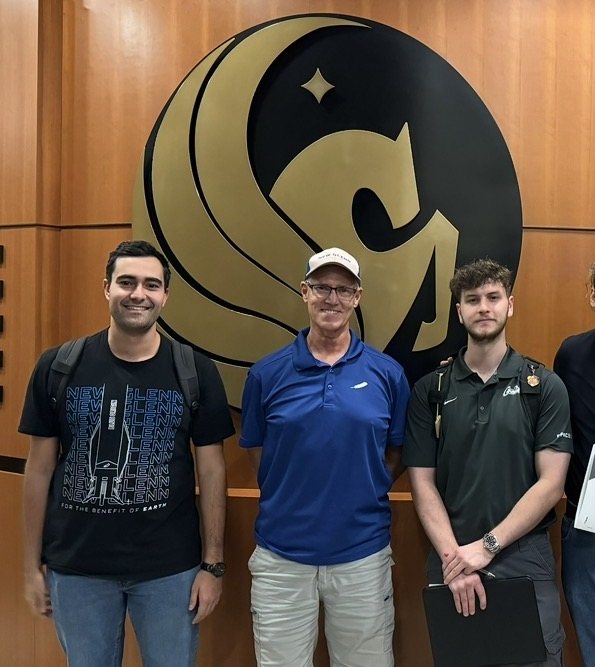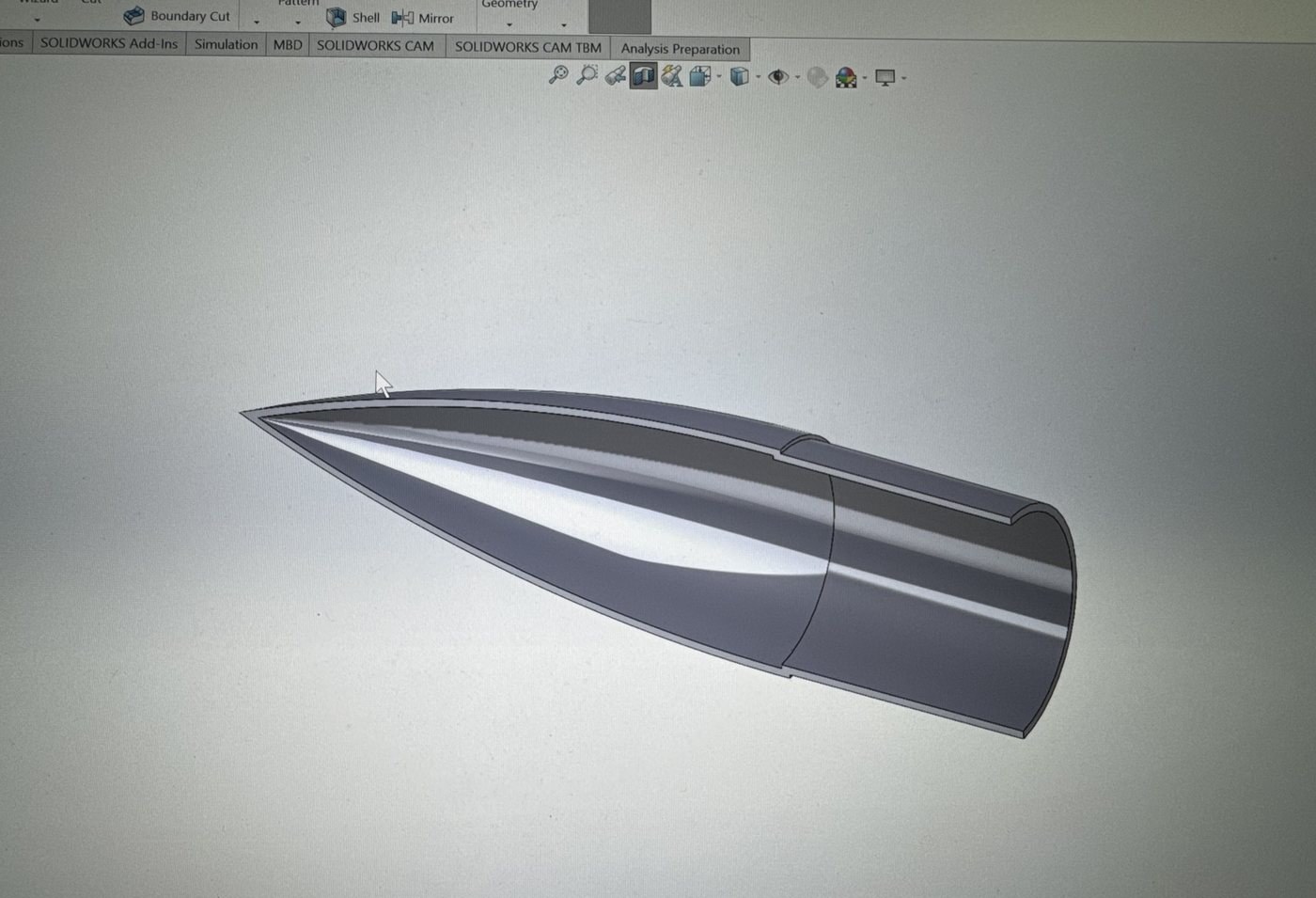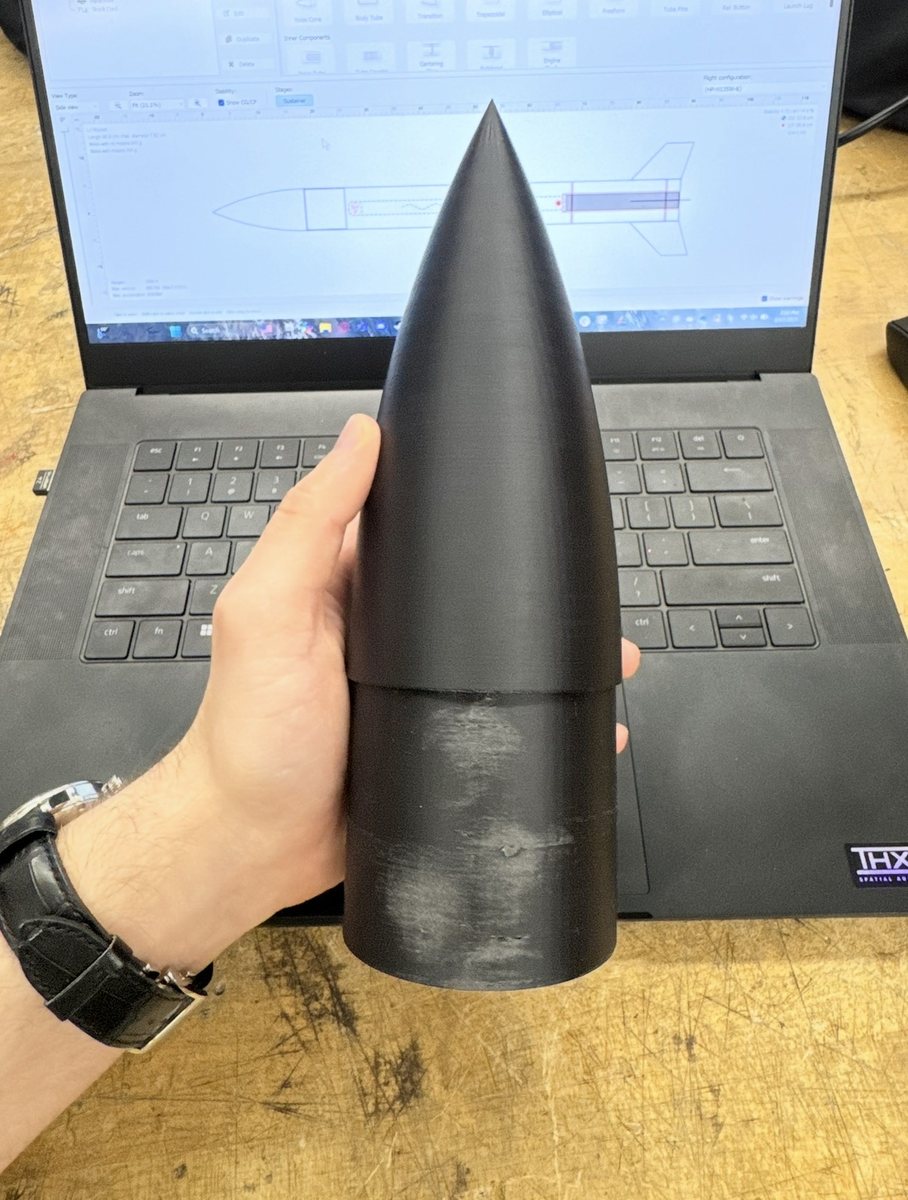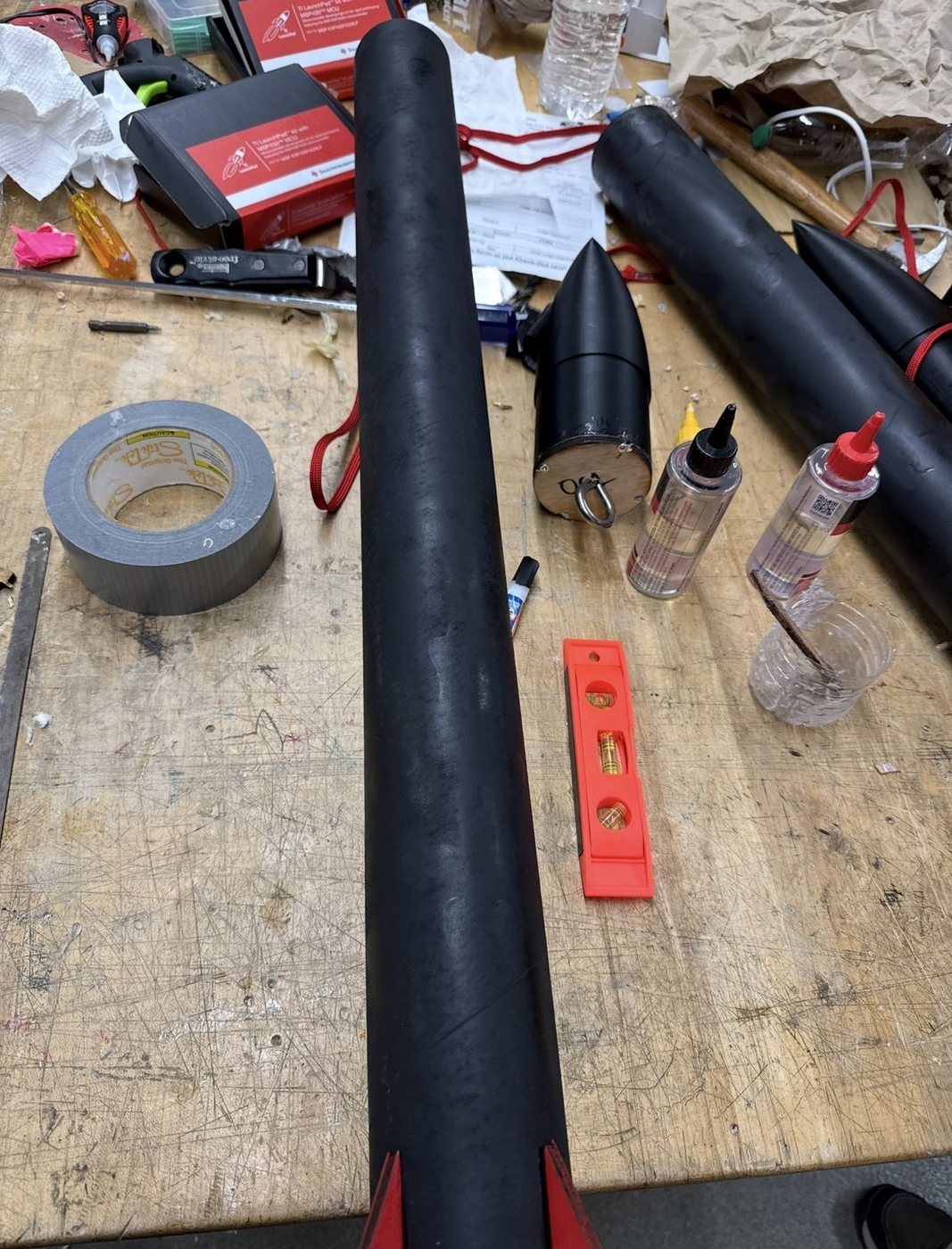
Sterling
Pearson

Design. Build. Test. Scale.

Hardware engineer across mechanical design, manufacturing, propulsion, and test.

UCF Aerospace Engineering '27SpaceX Starship co-opUCF PERL researcherFounder · JAS at UCFNAR Level 1
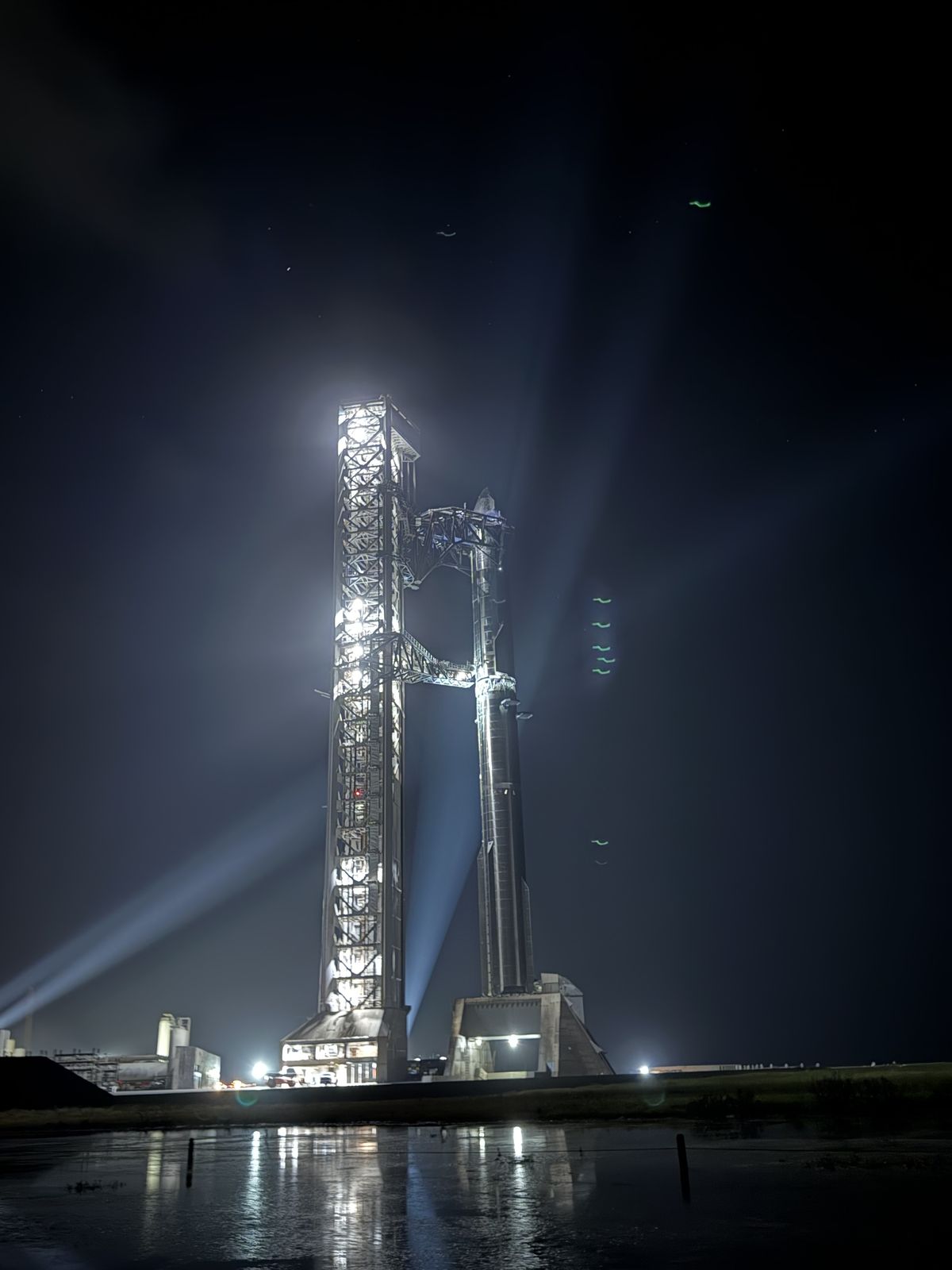
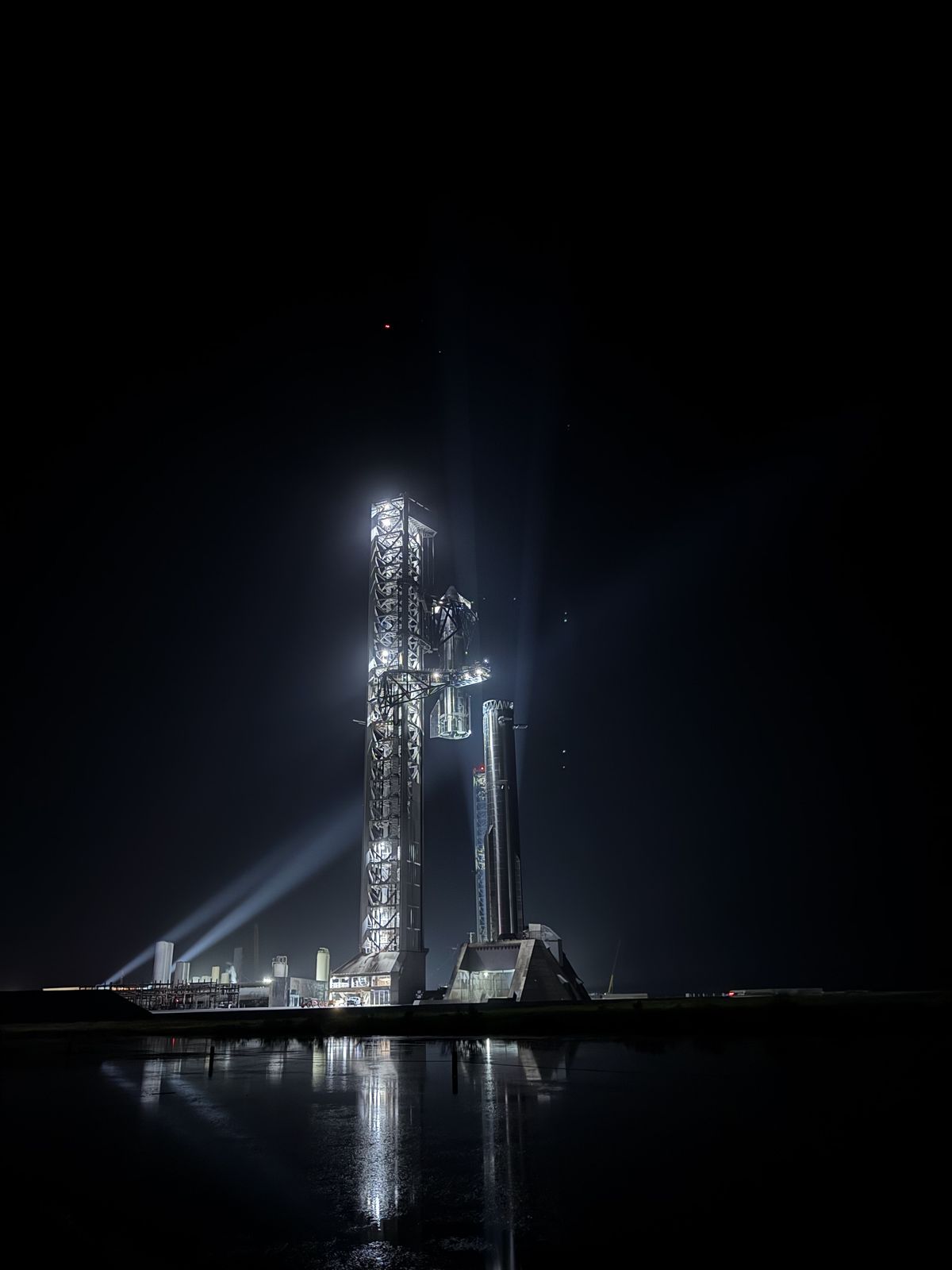
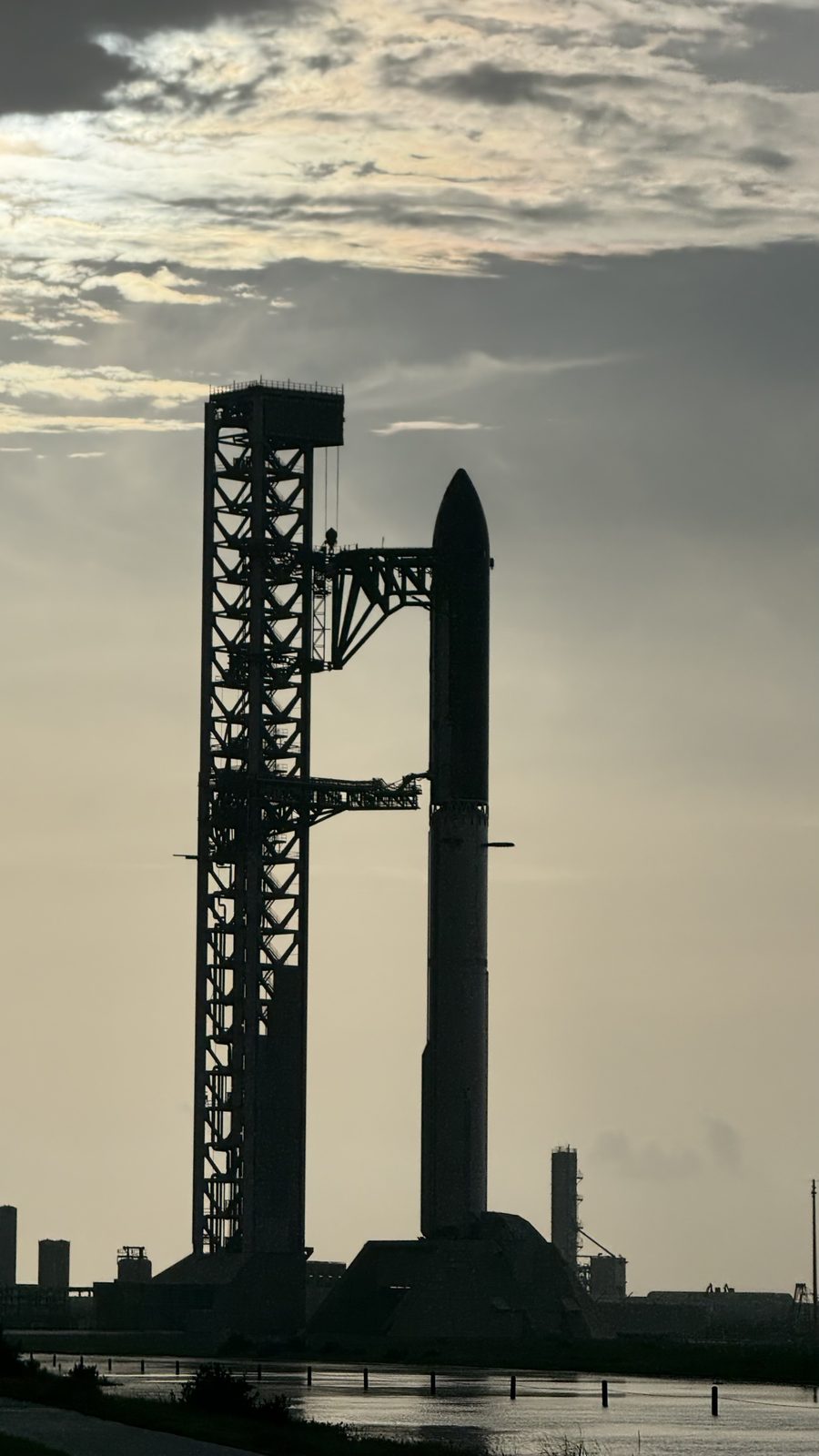
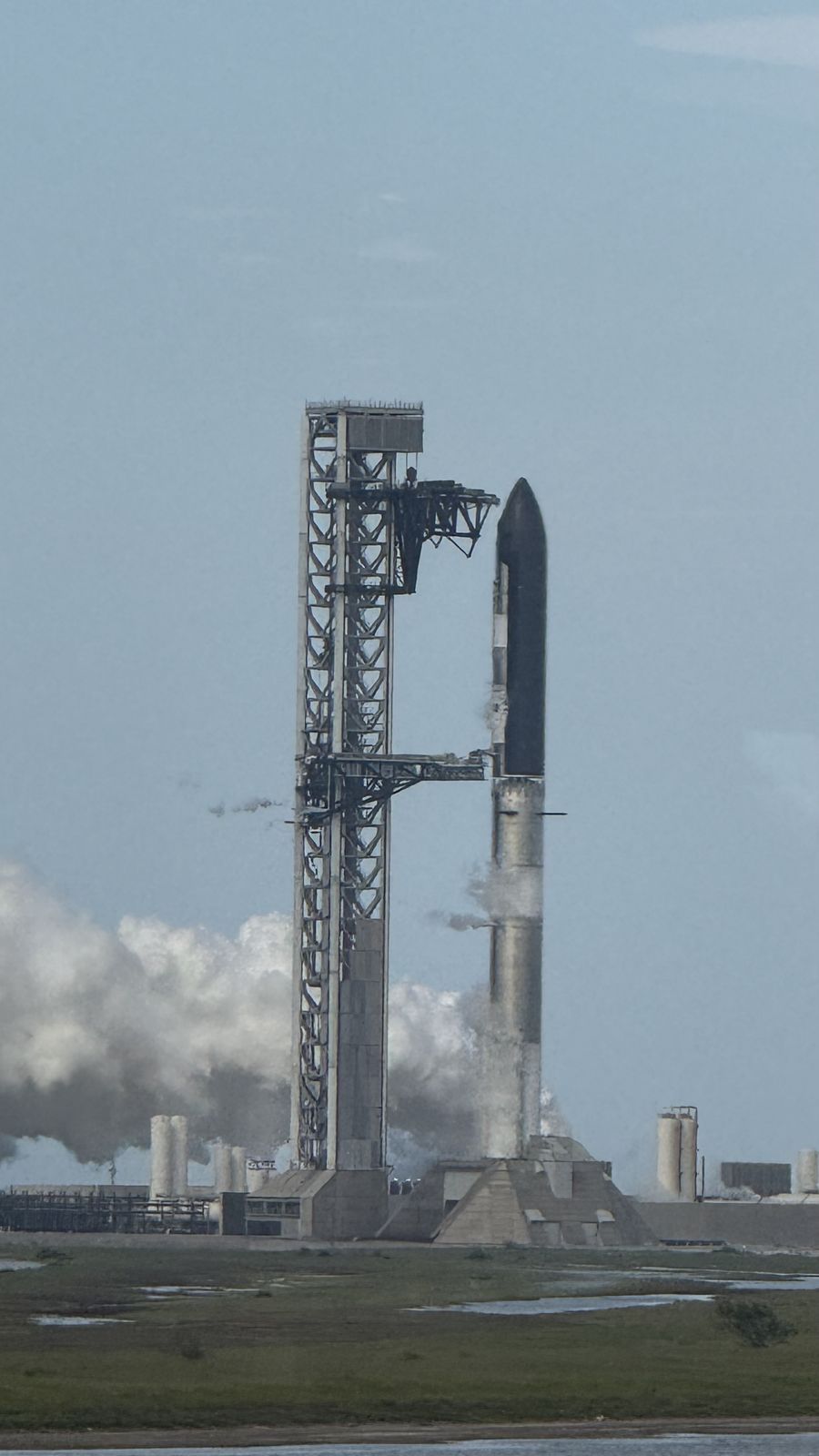
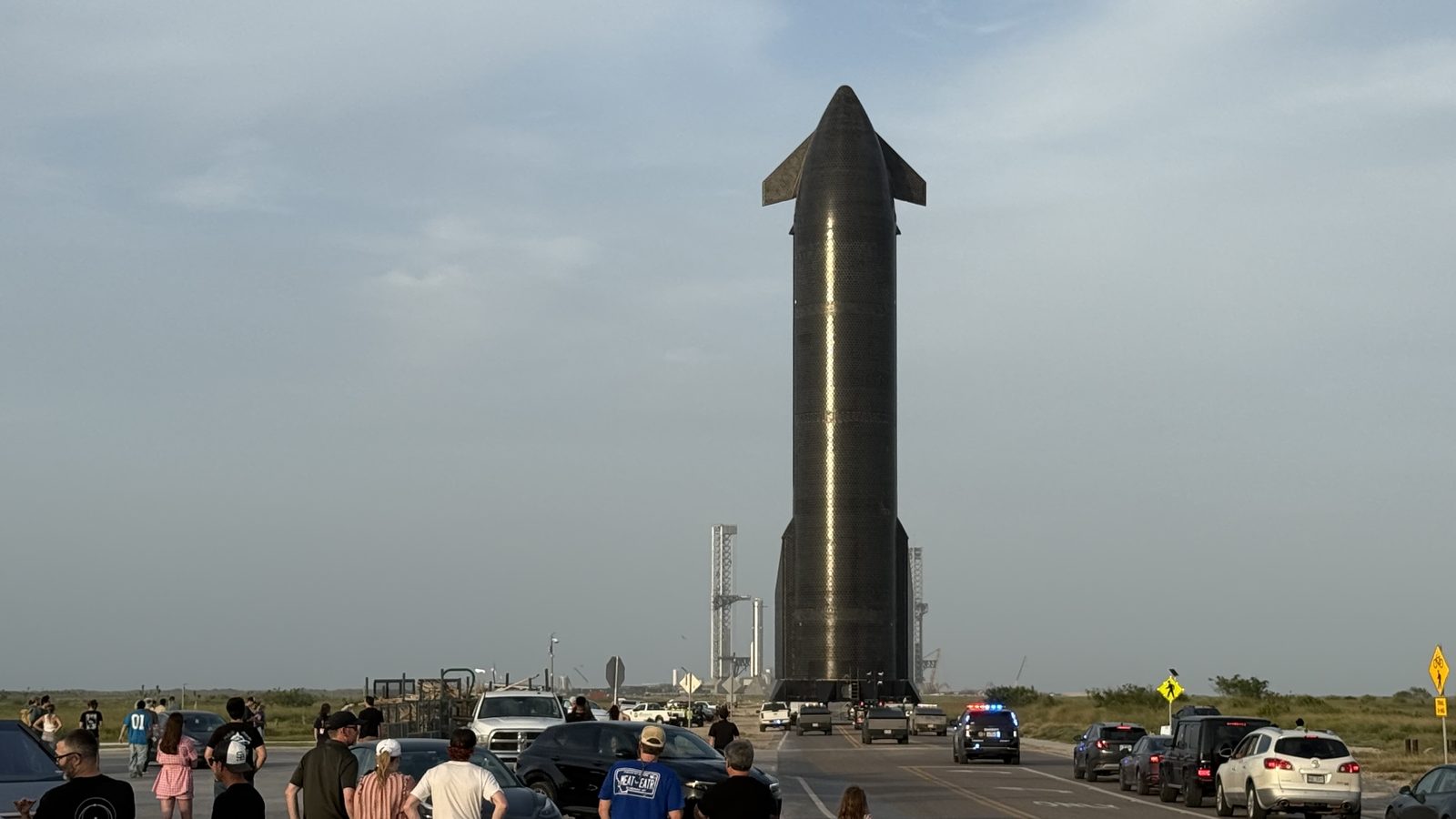
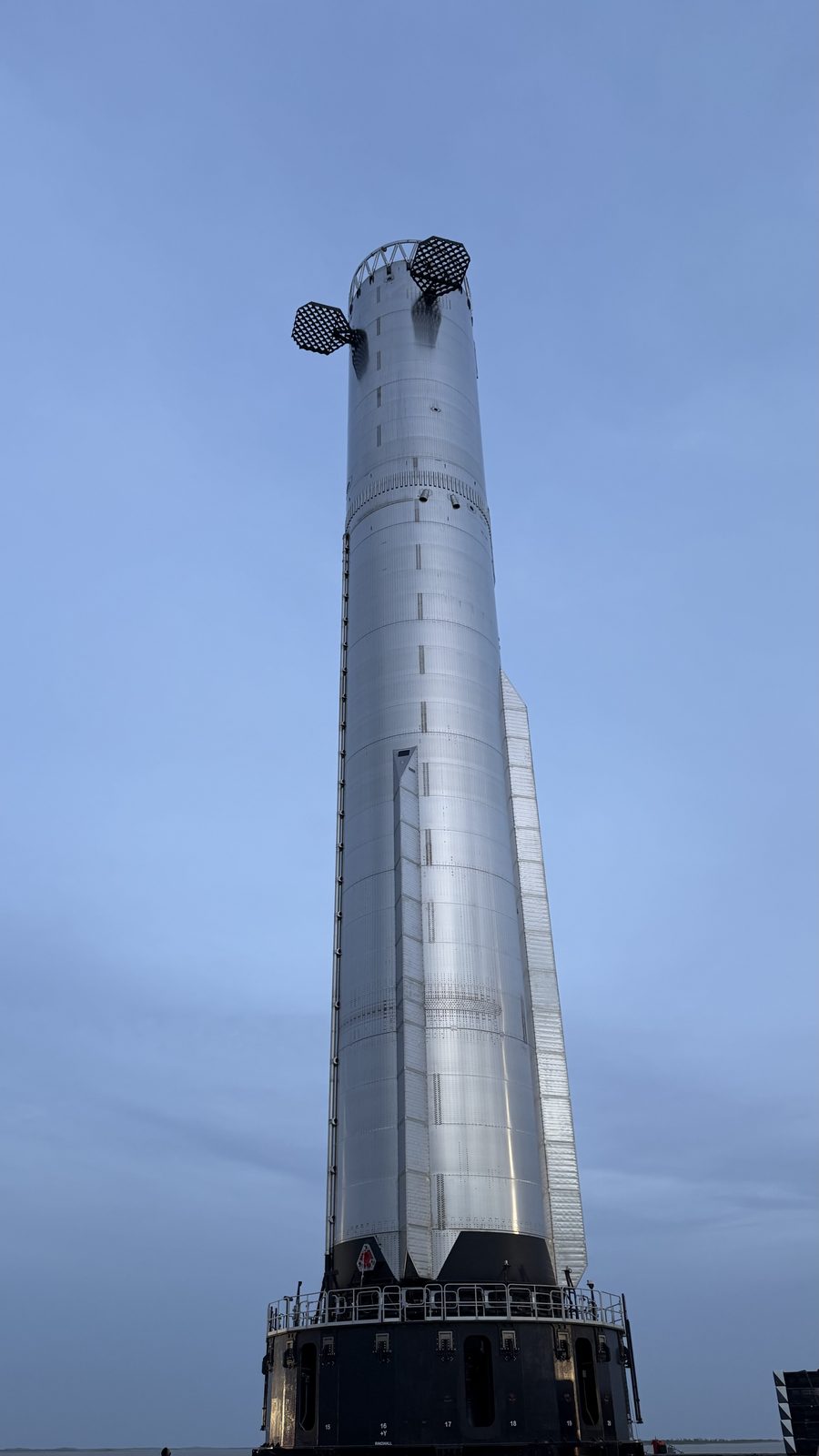
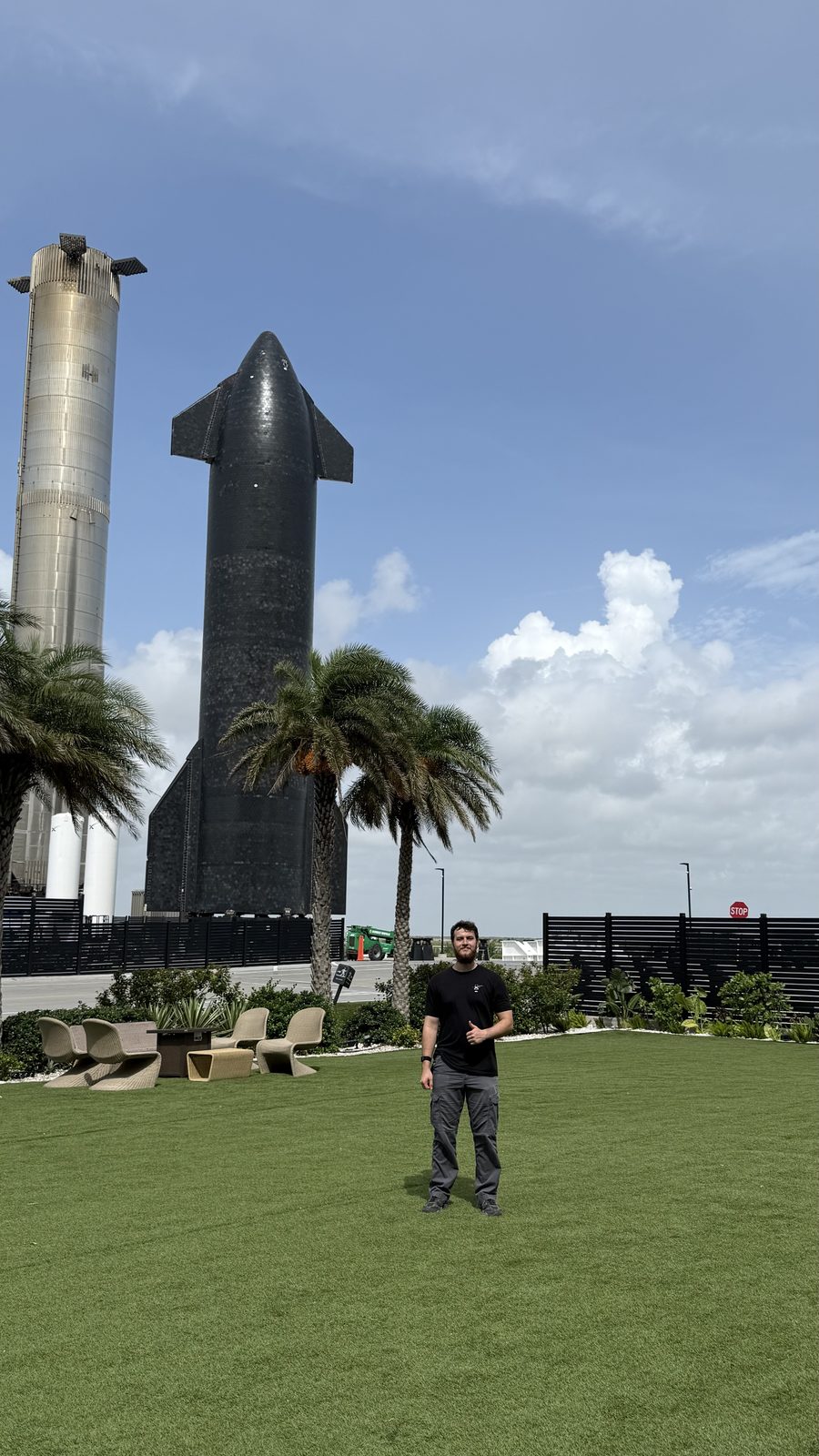
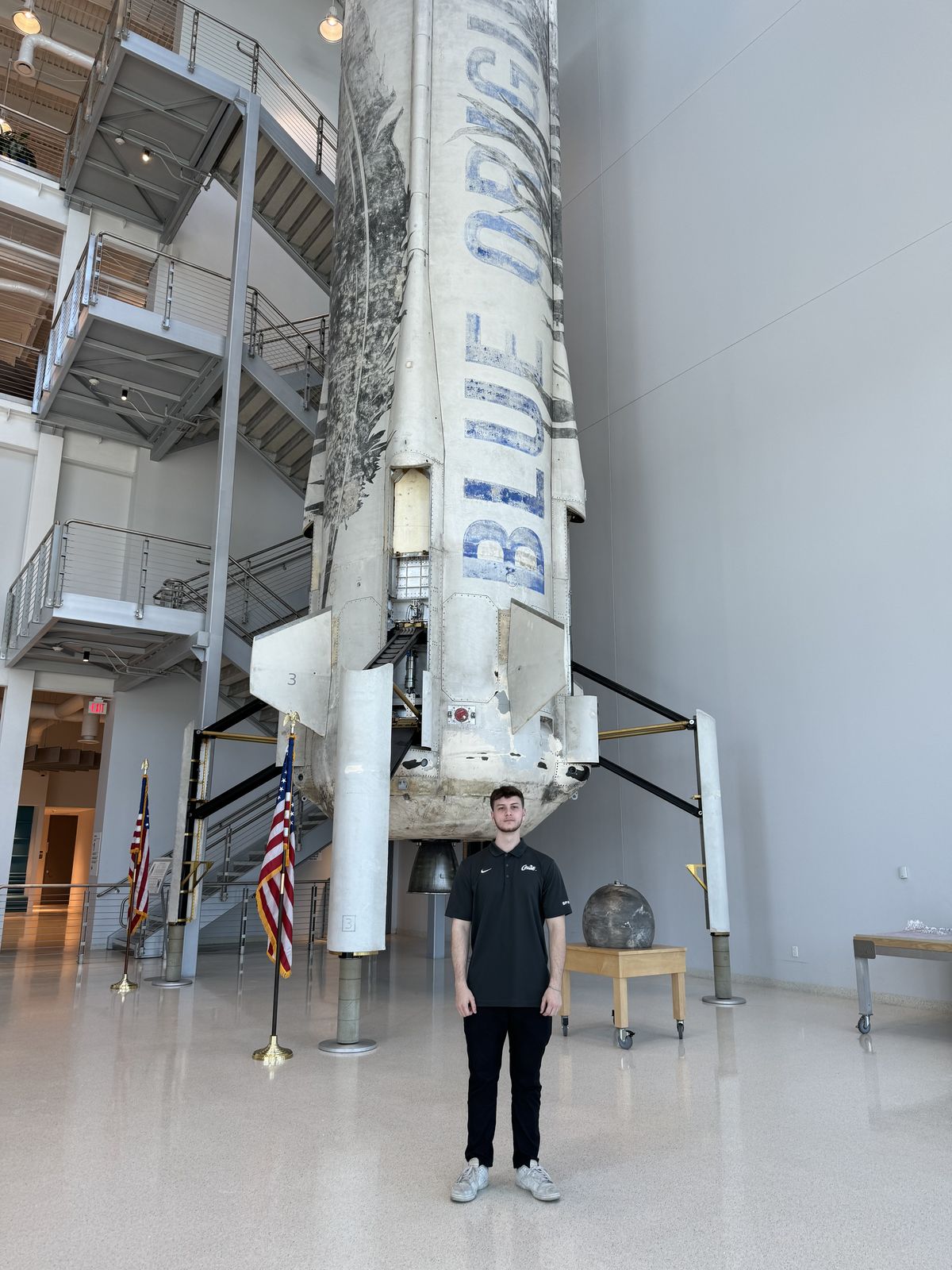
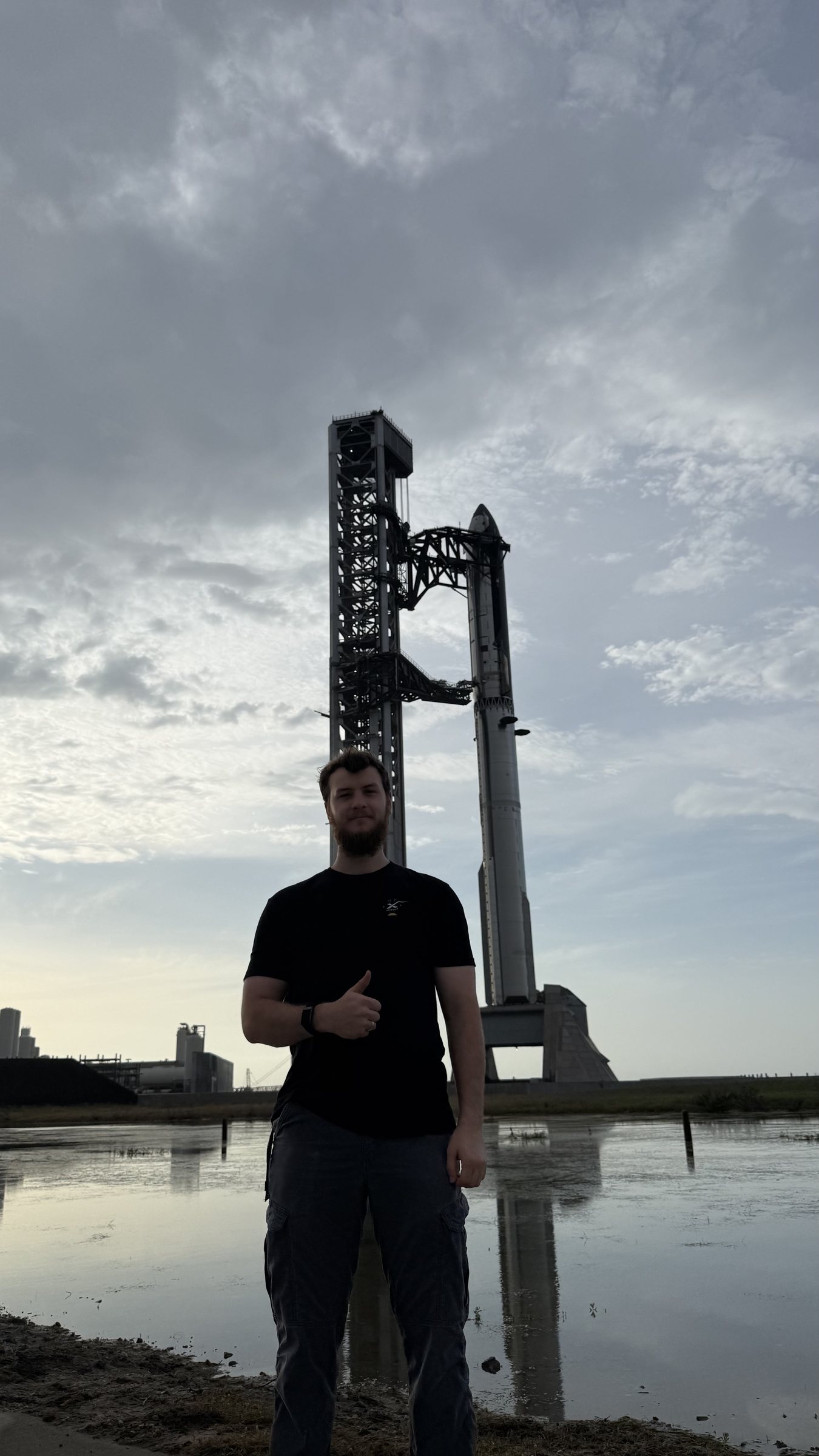
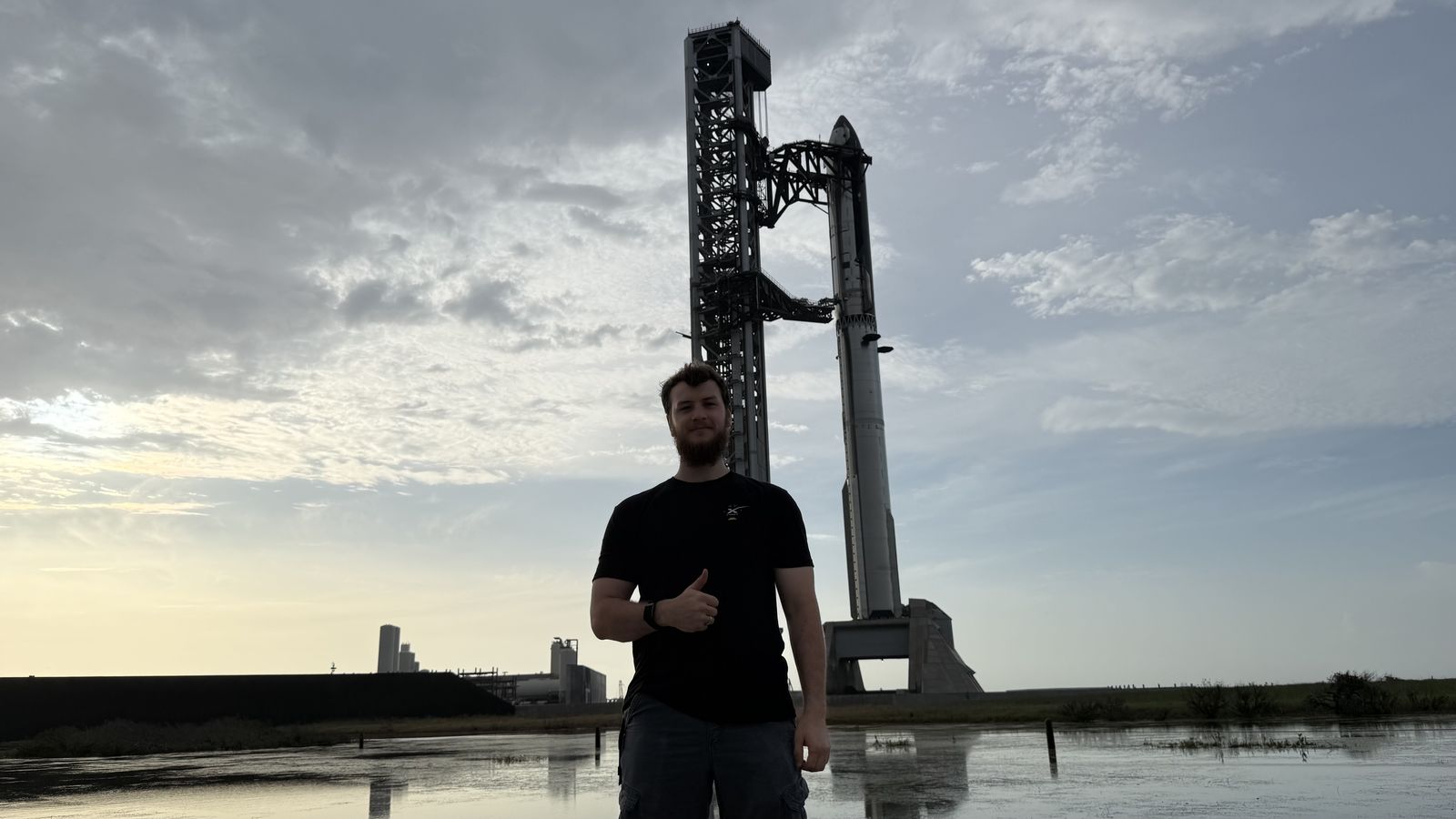
Sterling Pearson in front of Starship stacked on the launch tower at Starbase, Texas
FIG. 00 · Starbase, Texas
20 mo experienceIn industry across four companies, 2023 to 2026
2023202420252026
PERL research
KXR rocketry
JAS founder
Now
  • UNEW 4 mo
  • SRT 4 mo
  • Firehawk 4 mo
  • SpaceX 8 mo
500+JAS members at UCF, founded 2023
01 / WORK

How I work

I have a strong bias for hands-on engineering where the data proves the design. The Starship program taught me that humility is part of the engineering: look past your own assumptions, lean on the technicians who run the hardware every day, and care about getting it right for the vehicle, not just your own design. Everything I build runs through the same four steps: design, build, test, and scale.

R-01
Jan 2026 - Aug 2026 · 8 mo

SpaceX

Starship Thermal Hardware Engineering InternCape Canaveral, FL
DesignBuildTestScale

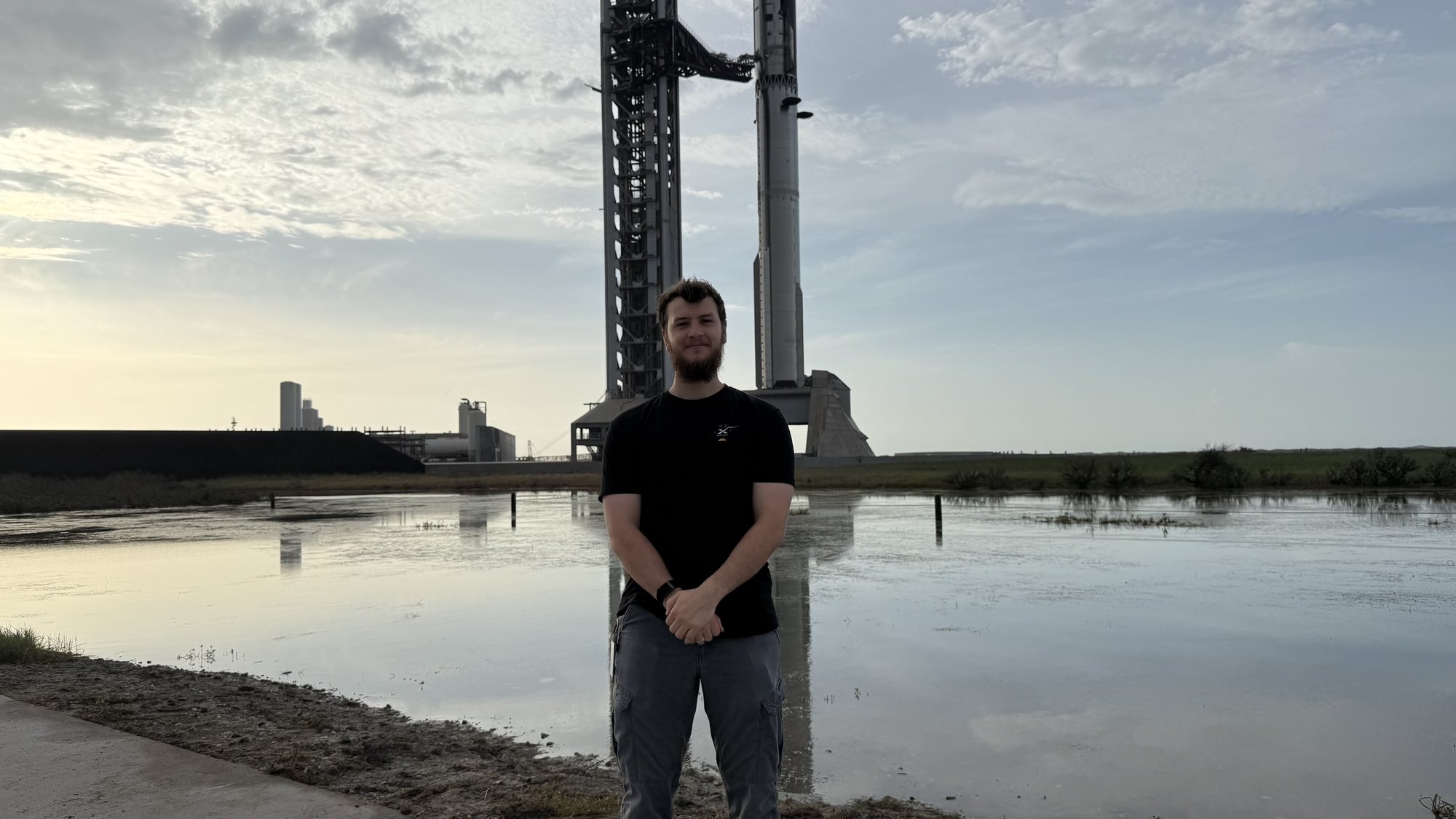
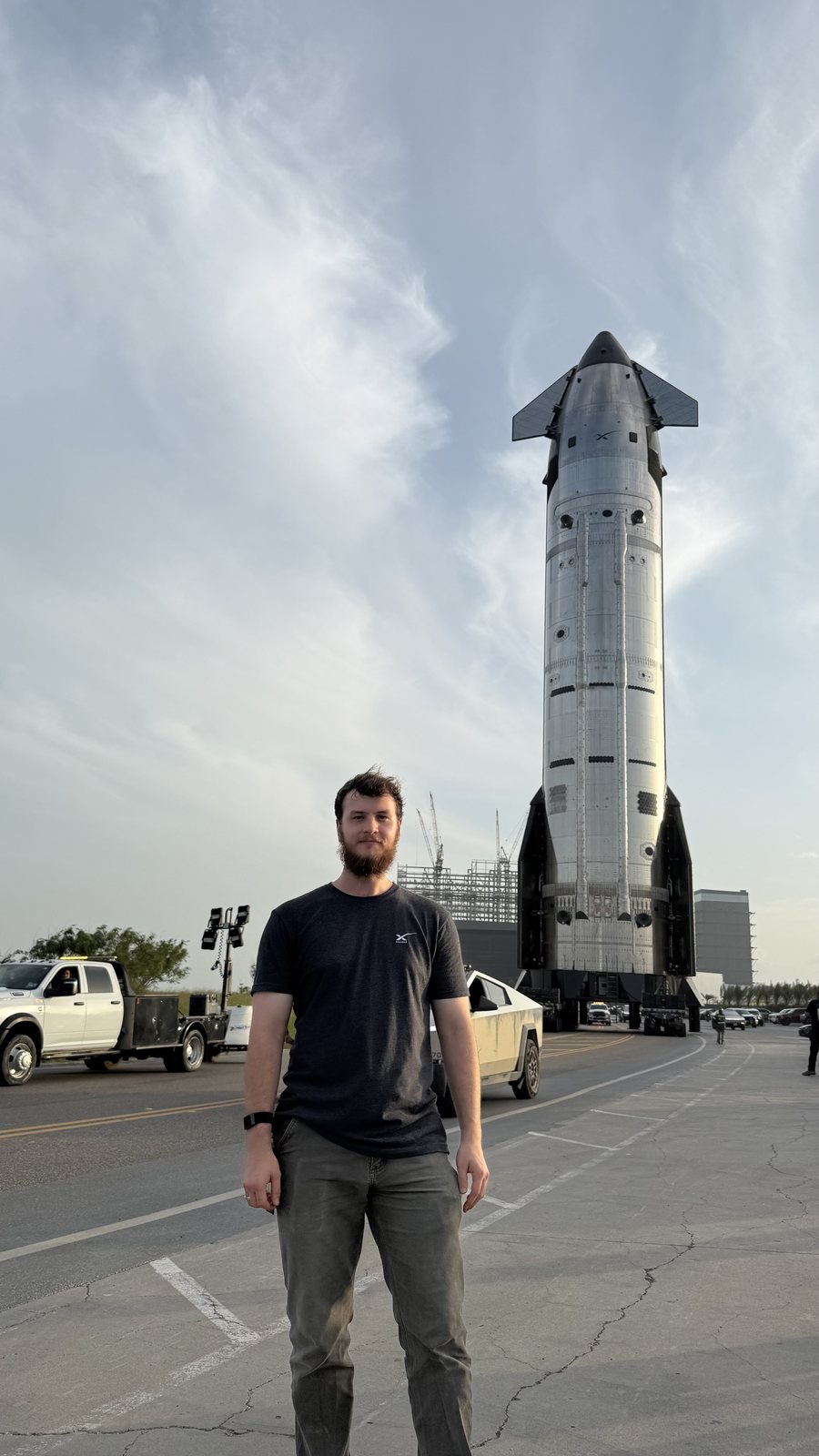
I worked on the team responsible for Starship's thermal protection hardware at the Cape. Day to day was a balance between development work, meaning research, design, planning, and building out project proposals, and the production floor, where I worked with technicians to integrate equipment or run down root causes when something failed. Much of it was taking requirements that were undefined or still moving and turning them into proposals, engineering models, drawings, and hardware, then validating how they actually held up during integration and testing.

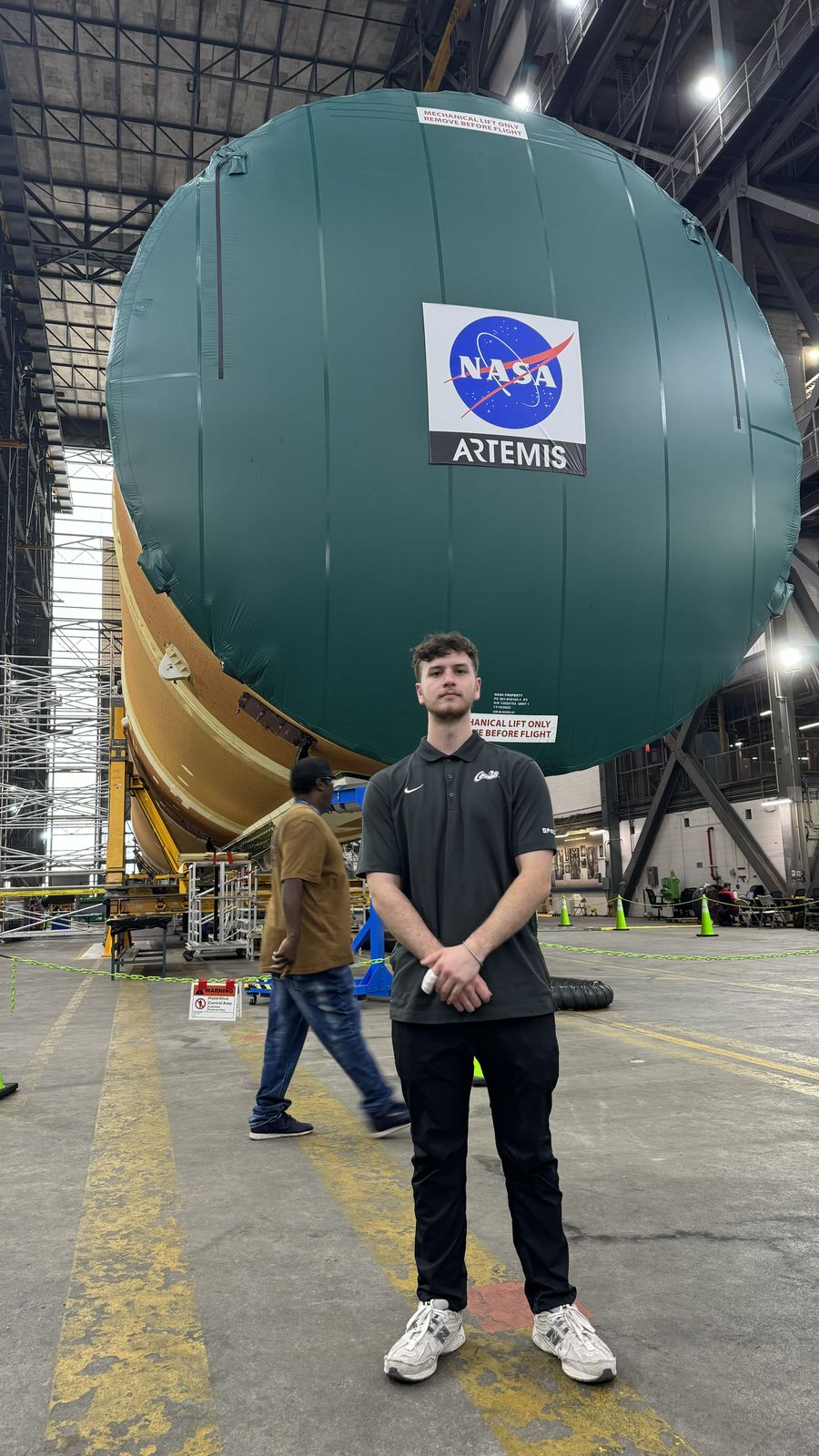
Two areas took most of my time. The first was inspection and test: developing clearer verification methods for heatshield components, from the first step through integration on the vehicle, including physical testing on T1 flight hardware. The second was equipment engineering: running trade studies, specifying cells, and staying with them through procurement, installation, and the first weeks on the floor. My largest project was an automated bonding cell for Starship V3, designed from the start around the rate the program needs. In July, when the thermal protection system, still the most critical system on the vehicle, had flight-blocking needs in Texas, I surged from the Cape to the Starfactory at Starbase to help on site.

Read more +Show less −

I split my time close to evenly between the desk and the floor. I mentored technicians and other interns on the work I owned, and learned that a big part of being an efficient engineer is teaching others how they can help instead of doing everything yourself. Late in my term I presented my work to Starship program leadership, and my review package became a reference for the rest of the team.

Operating at the speed of a flight program was my biggest learning curve. Early on, work I had put real effort into was set aside as requirements shifted, which taught me not to take pivots personally and to refocus where the team needed me. Later I was trusted with sole ownership of several systems that are still operational today, and I learned that acting quickly and with intent, then learning from the result, beats waiting for the perfect decision.
~10xrate scale-up my bonding cell was adopted for at CDR
~90%cost cut from a DOE I ran
80%+less marking time per part with my laser cell
12projects owned or led, concept to hand-off
How SpaceX changed how I work
First principlesQuestion every requirement and delete steps before optimizing them.
Stay paranoidAssume every failure mode can happen and design it out.
Fail fastA fast test that fails teaches more than a slow one that's perfect.
Root cause5 Whys, fault trees, and FMEA before any fix.
R-02
May 2025 - Aug 2025 · 4 mo

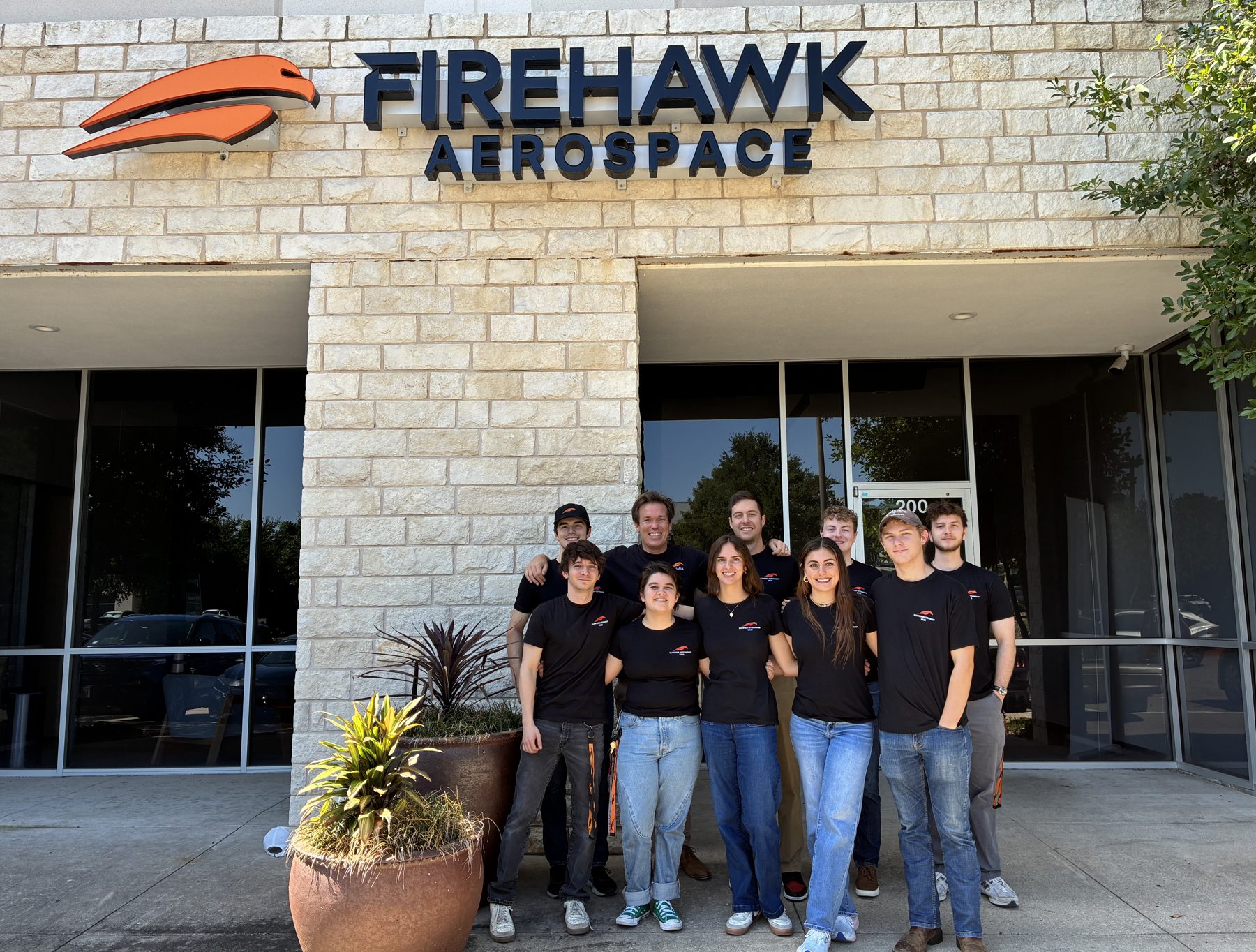
Firehawk Aerospace

Propulsion Design Engineering InternAddison, TX
DesignBuildTestScale

I was a propulsion design engineering intern at a hybrid rocket startup in Addison, Texas. Day to day was a balance between design work in Creo Parametric 9, structural analysis, and tooling development, and hands-on work on the floor.

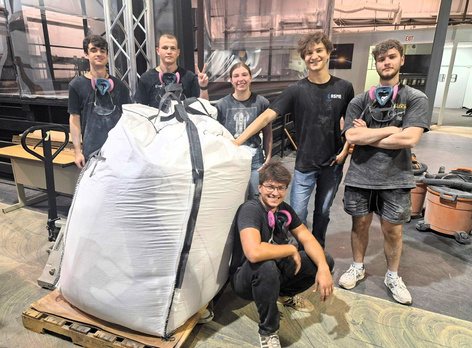
My main project was FDM tooling for fuel grain production: one-time-use molds with O-ring glands and vacuum-capable iterations. Testing validated seal integrity, bond-layer uniformity, and cure, for a projected 360% gain in production capacity. I also spent real time in the lab formulating adhesives and iterating fuel grain geometry, which fed straight back into the same bottleneck my tooling was built to fix.

Read more +Show less −

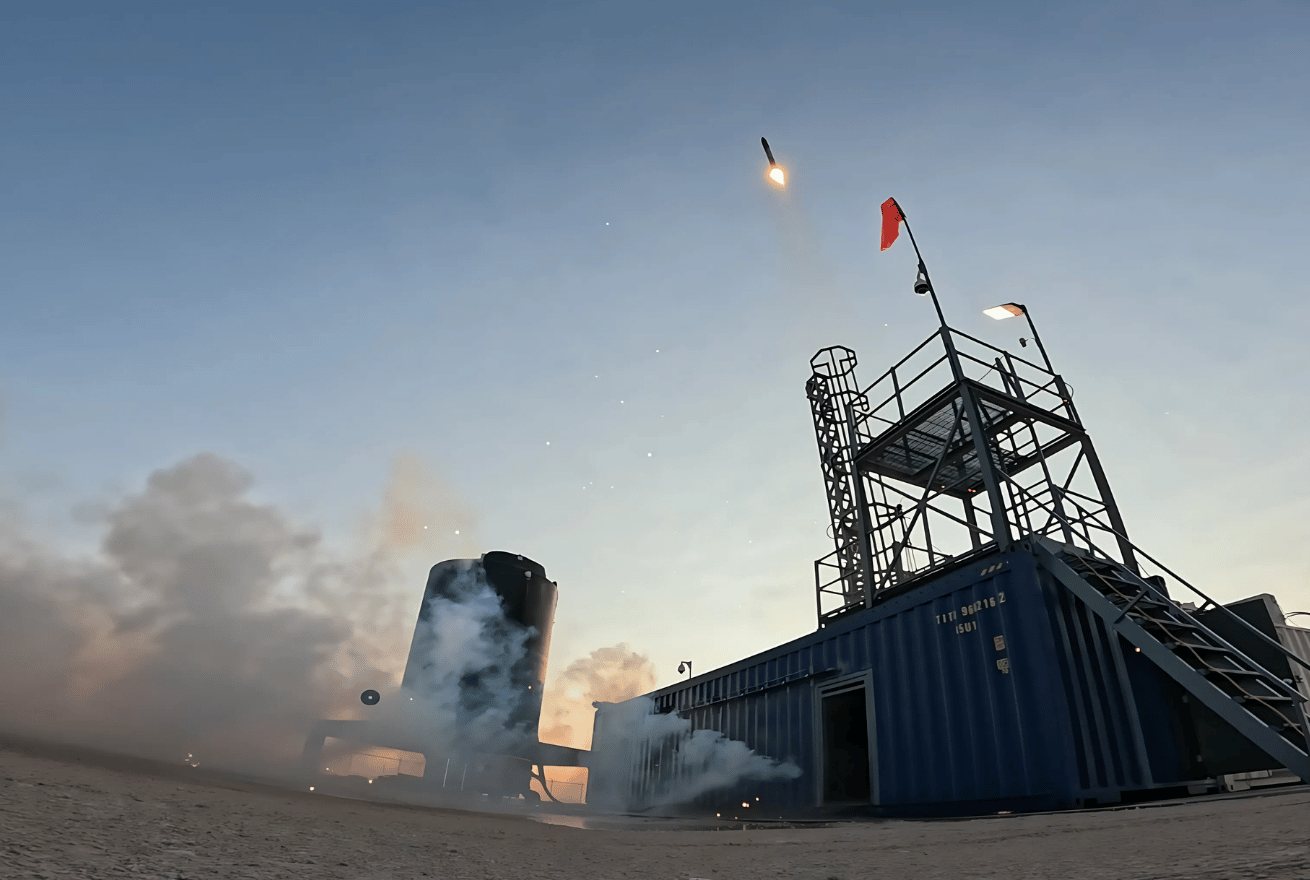
I kept up with my project well enough to go looking for more. I helped build out a water flow test stand and designed a 50,000+ lbf horizontal static fire stand, from CAD through the plumbing and assembly. On a 3,500 lbf hybrid campaign I designed, built, and ground tested parachute bay assemblies with a shear-screw breakaway and a black powder charge of my own design, and owned the test plans in Epsilon3. I also worked with the shop to CNC and lathe parts on the critical path for flight tests, including igniters and fixtures for U.S. Army programs.

What I walked away with came from the tests that didn't go the way we expected. There was a lot of failure, and a lot of moments where something I thought I understood got challenged. It taught me to work backwards from a result to find where and how something failed, and that prepared me for what came next more than any result that went right.

360%projected fuel grain capacity gain from my tooling
50,000+ lbfhorizontal static fire stand
3,500 lbfhybrid campaign, recovery ground tests
3U.S. Army programs supported
Drawings I made for Firehawk

Firehawk 3D prints its propellant and fuel grains. These are the three product cutaways I drew for their website, each one sectioned to show the printed grain inside.

Solid rocket motor cutaway drawing
DWG-01Solid rocket motorA 3D printed propellant grain inside a motor case built to hold combustion pressure and temperature, lit by the igniter at the forward end.
Base bleed motor cutaway drawing
DWG-02Base bleed motorAn artillery shell with a printed base bleed grain. Gas bled from the base during flight cuts drag so the round flies farther, with the payload up front and fins for stability.
Hybrid rocket engine cutaway drawing
DWG-03Hybrid rocket engineA 3D printed fuel grain, the control system that throttles it, and the oxidizer tank that feeds it.
R-03
May 2024 - Aug 2024 · 4 mo

Space Resource Technologies

Manufacturing Engineering InternOrlando, FL
DesignBuildTestScale

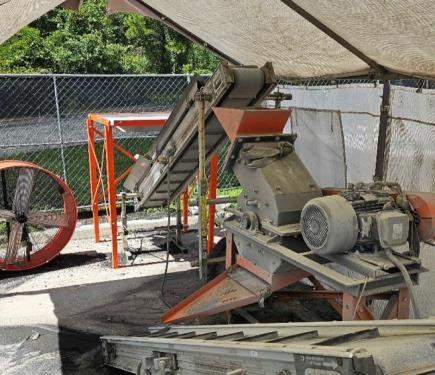
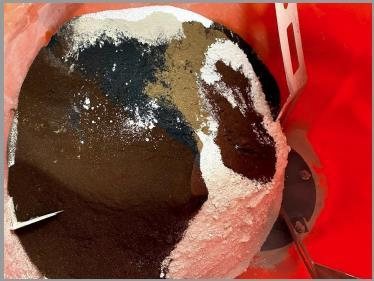
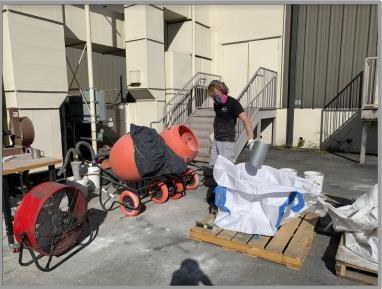
I'd call this my first real engineering job. SRT made regolith simulant for aerospace customers, and the process ran almost entirely on tribal knowledge.

I spent my days watching where waste was produced, working out how to fix it, and then working entire shifts on the line myself with the operators to make sure the fix actually held. I tracked units per day, batch time, labor, faults, and downtime across hundreds of runs before changing anything.

Then I reorganized the production cells around Lean Six Sigma, integrated the equipment, and wrote the SOPs. Same-batch processing went from four weeks to six hours, and the lead manufacturing engineer adopted the flow.

4 wk → 6 hsame-batch processing
~600%estimated throughput
100sruns tracked
R-04
Jan 2023 - Apr 2023 · 4 mo

UNEW

Engineering InternPort Salerno, FL
DesignBuildTestScale

My first internship, at a company that reverse engineers and manufactures replacement parts for industrial gas turbines.

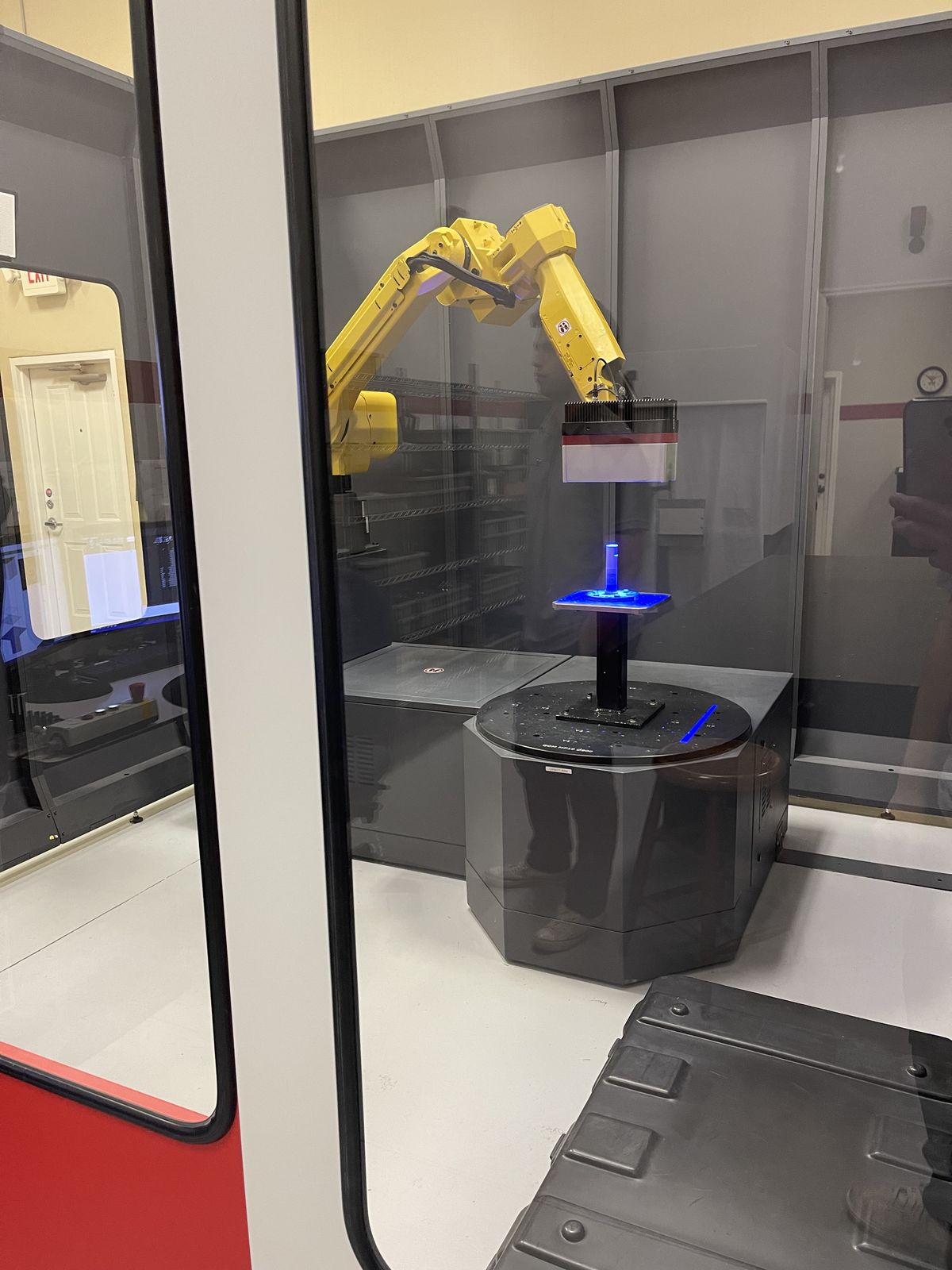
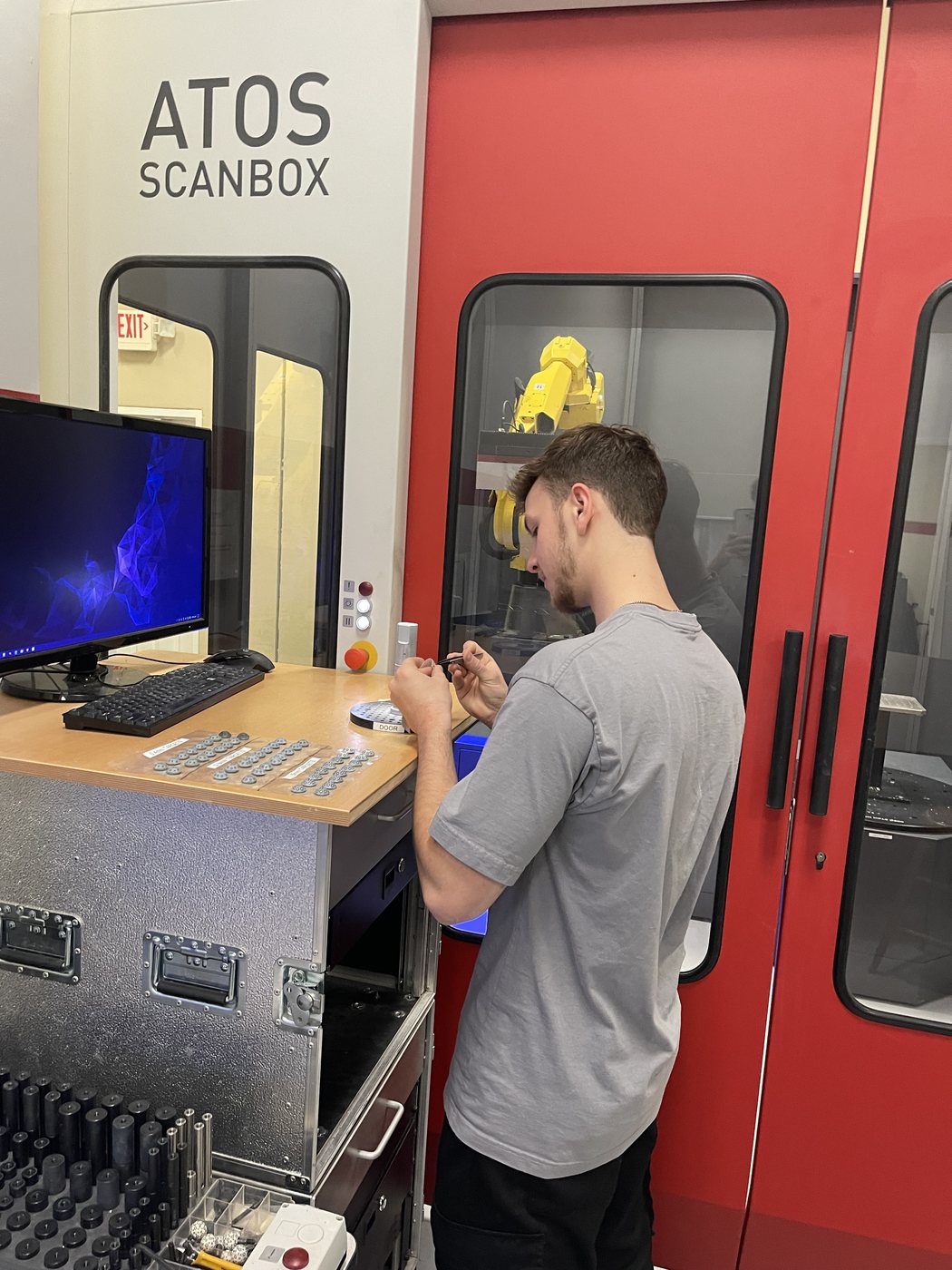
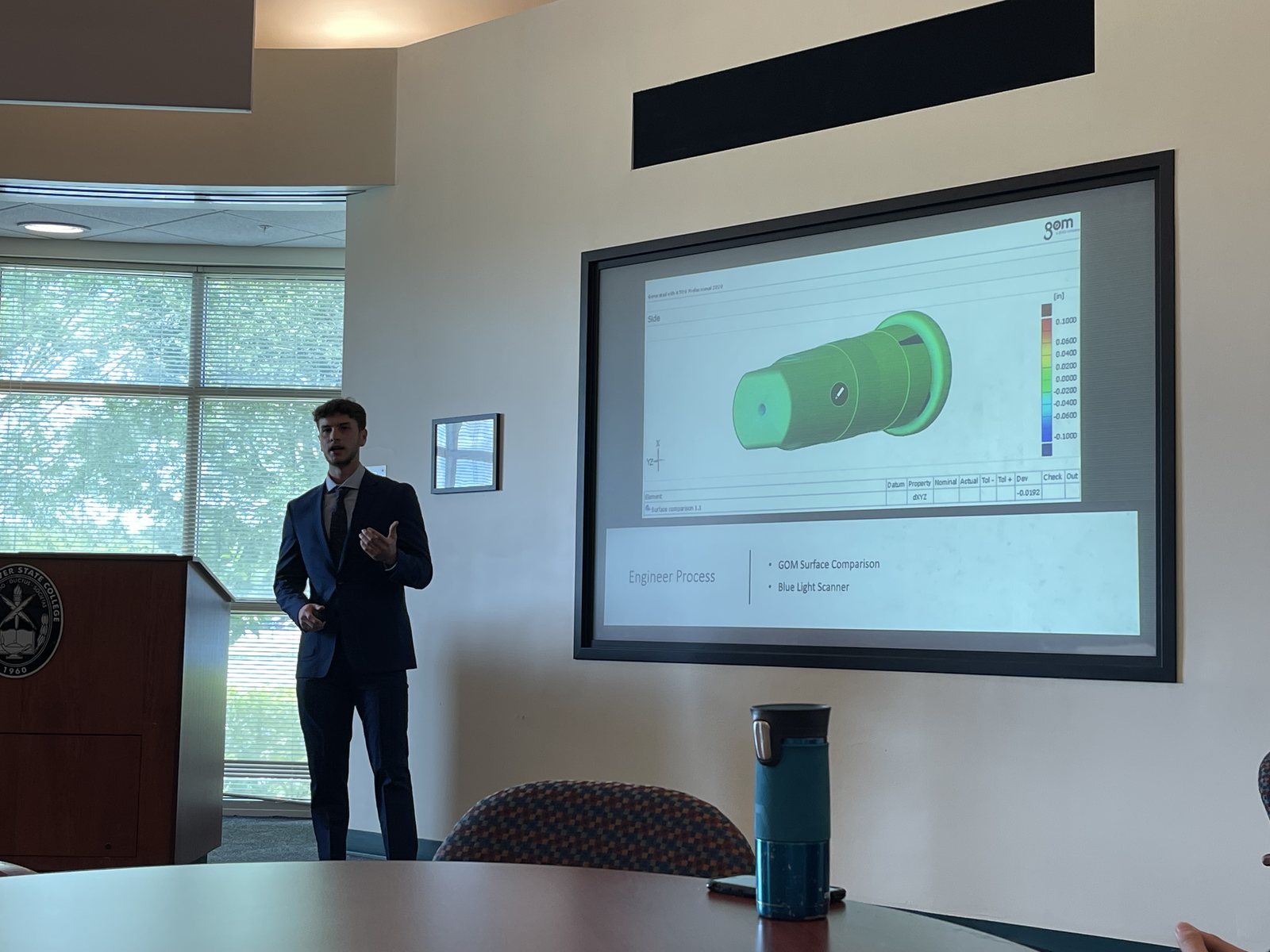
Most of my time went into learning Siemens NX and redesigning several turbine fixtures and parts, then blue-light scanning the real parts on an ATOS ScanBox and comparing them to my models in GOM Inspect. That comparison is where tolerances, manufacturing defects, and what machining actually does to a design first made sense to me.

I worked through my assignments quickly enough to ask for more, so I researched hydrogen as a fuel for gas turbines, what it takes to produce, store, and use it responsibly, and presented what I found to the engineering team. It was the first time I saw how engineering actually gets done, and it's a large part of why I chose aerospace.

1stinternship, senior year of high school
NXCAD software used
ATOSblue-light scanning
03 / ABOUT

The story so far

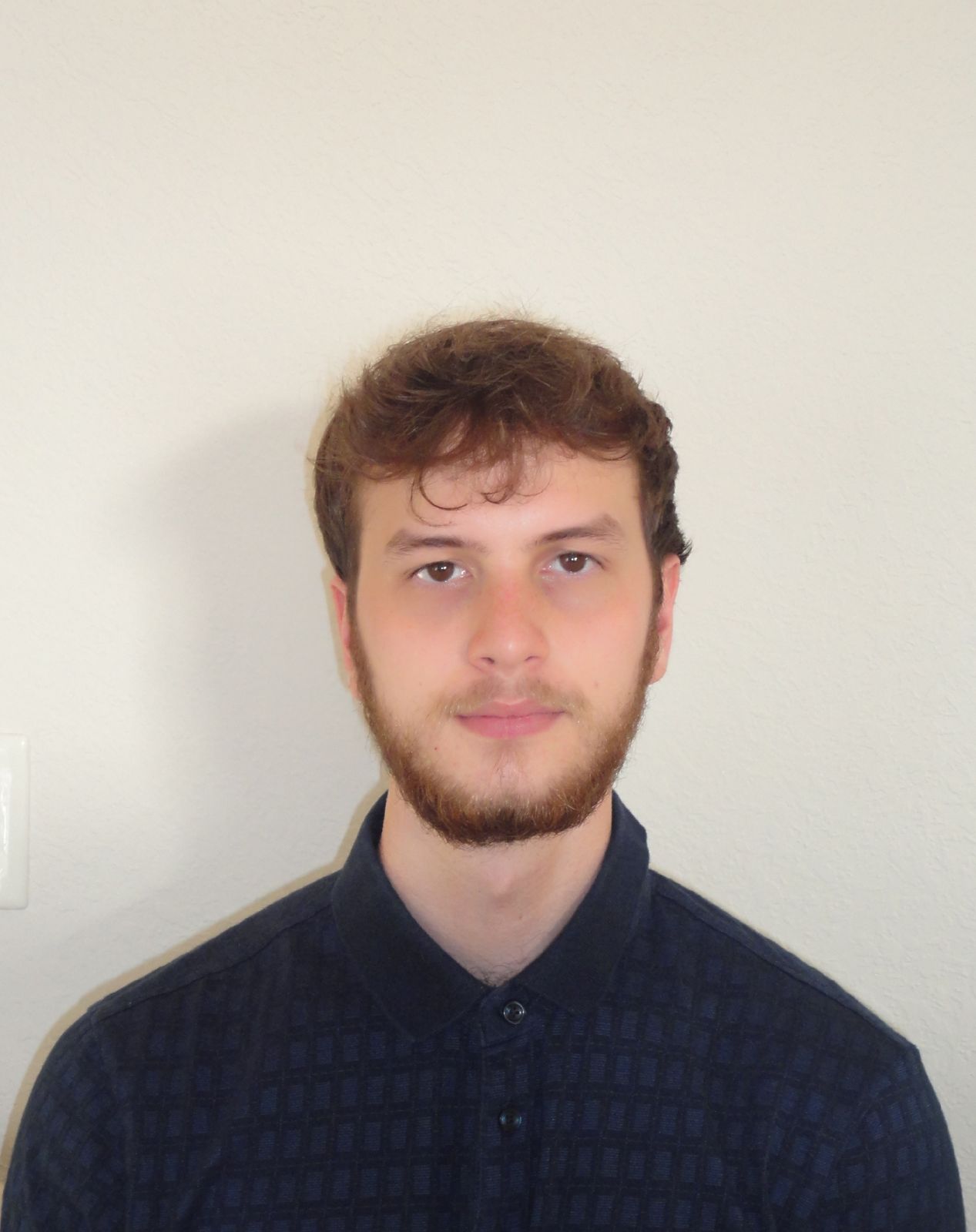
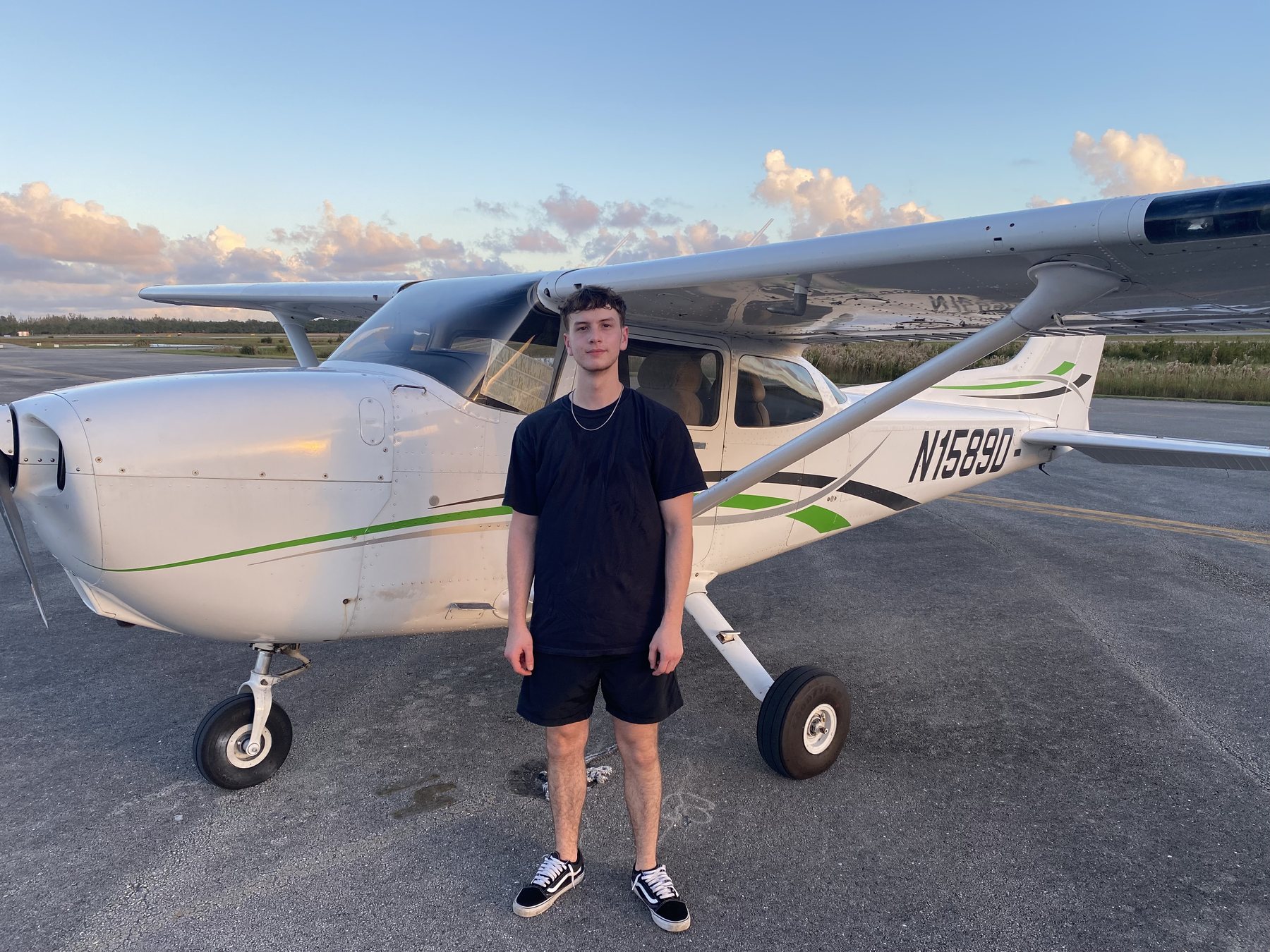
Portrait of Sterling Pearson

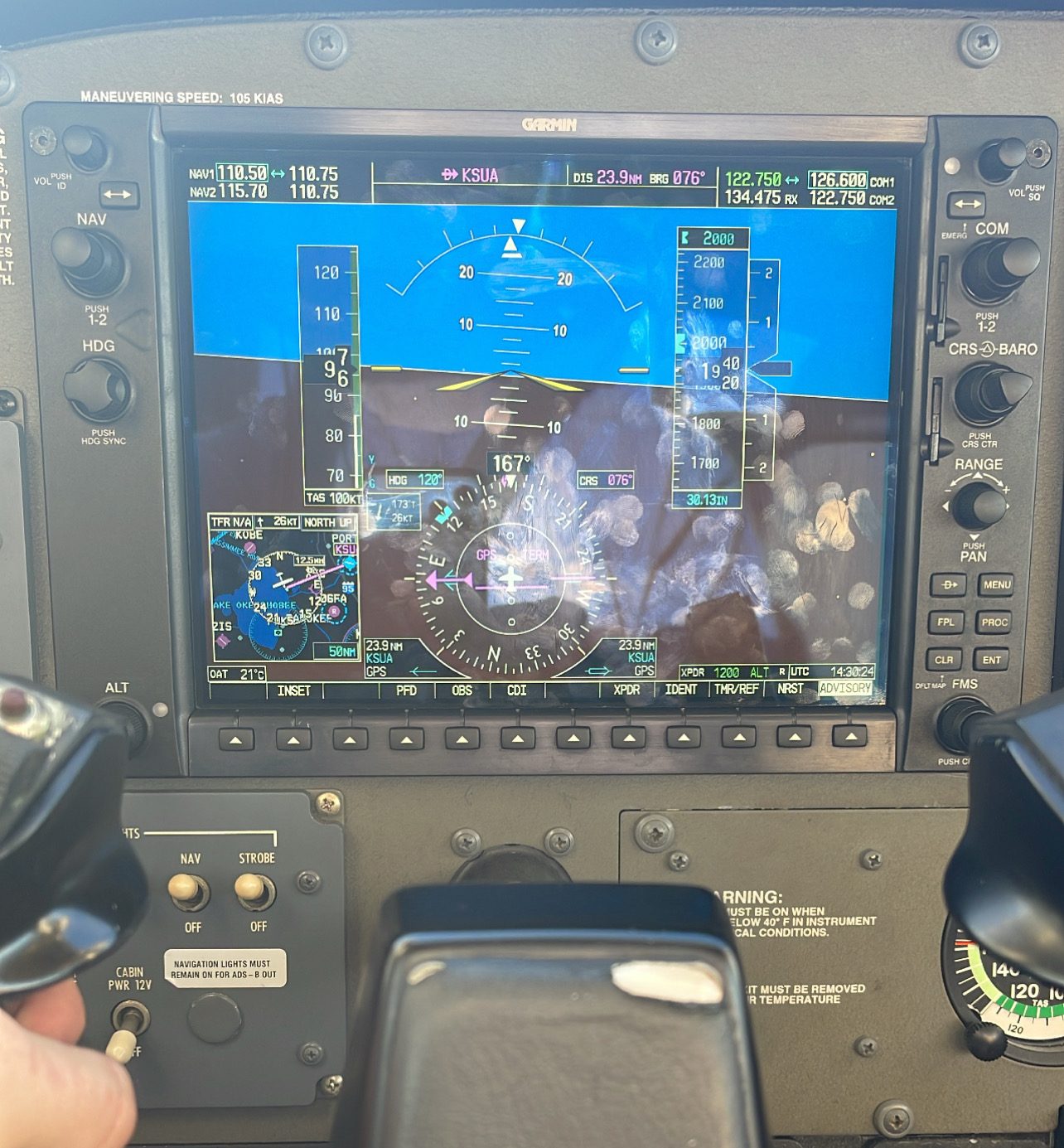
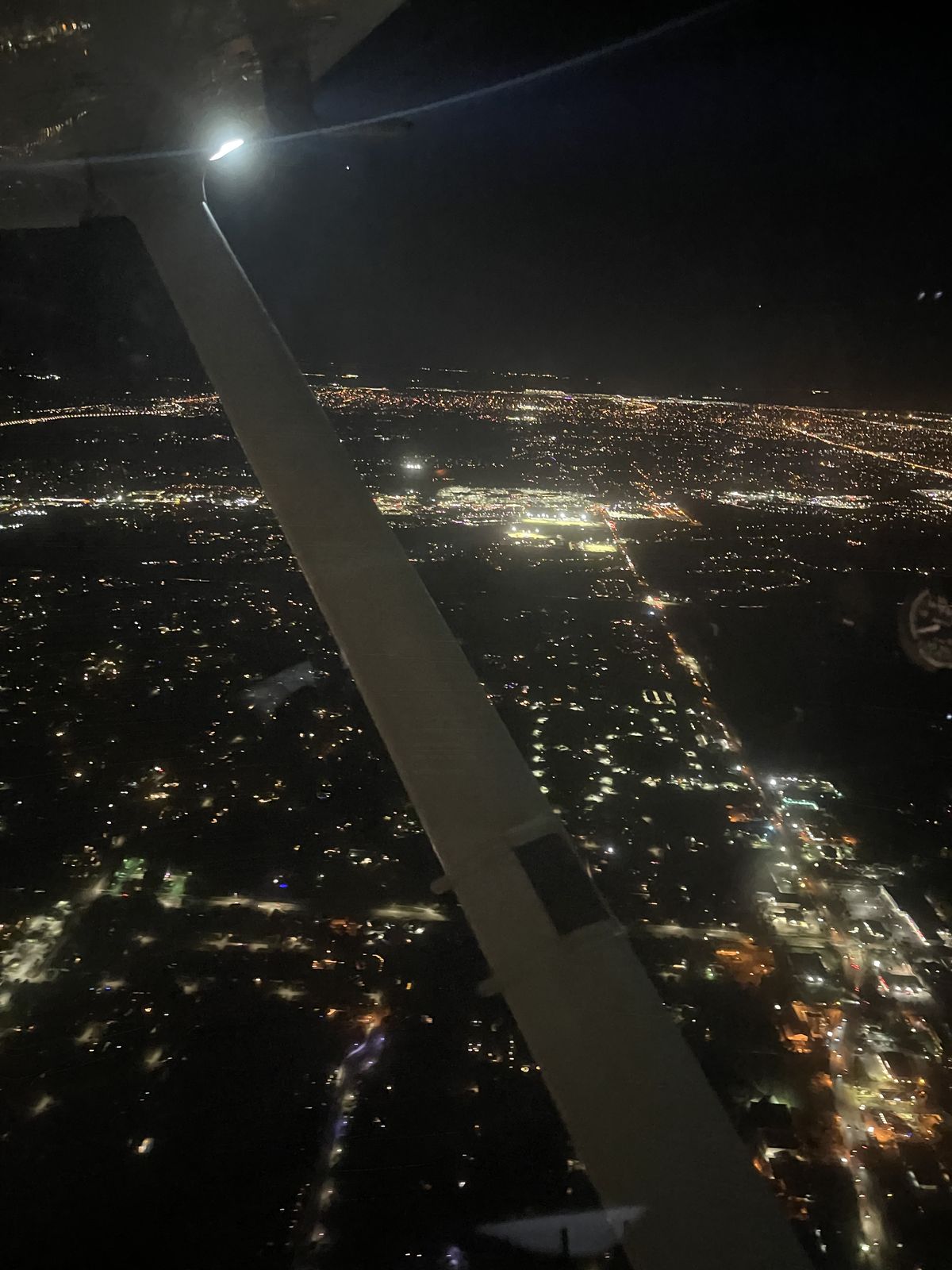
I'm an aerospace engineering student at the University of Central Florida, finishing my degree in December 2027. In Florida, launches have always been part of the view. Chasing that feeling pulled me into a cockpit first, and then onto test stands and factory floors.

Here's the path so far, in order. Tap any entry for the photos and the story behind it.

LifeWorkSchoolProjectLeadershipResearchIn progress
  1. 2022 to 2023
  2. Jan 2023WorkFirst internship · UNEWLearned Siemens NX and blue-light scanning at a gas turbine parts company during my senior year of high school.See it in depth →
  3. Spring 2023
    SchoolGraduated from Clark Advanced Learning CenterFinished high school with my diploma and my AA degree at the same time.
  4. Jun 2023
  5. Fall 2023
    SchoolStarted at UCFBegan my B.S. in Aerospace Engineering at the University of Central Florida.
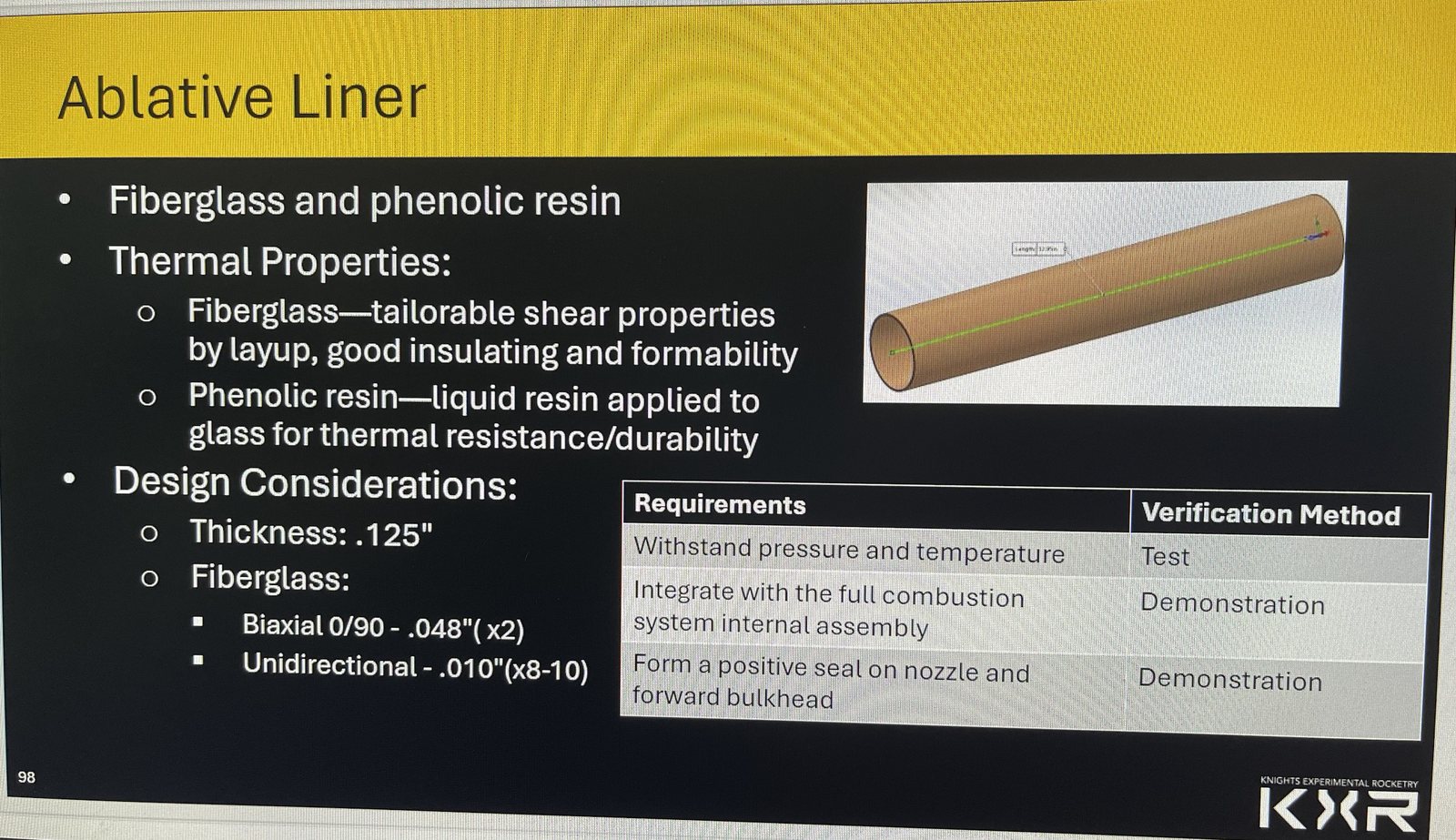
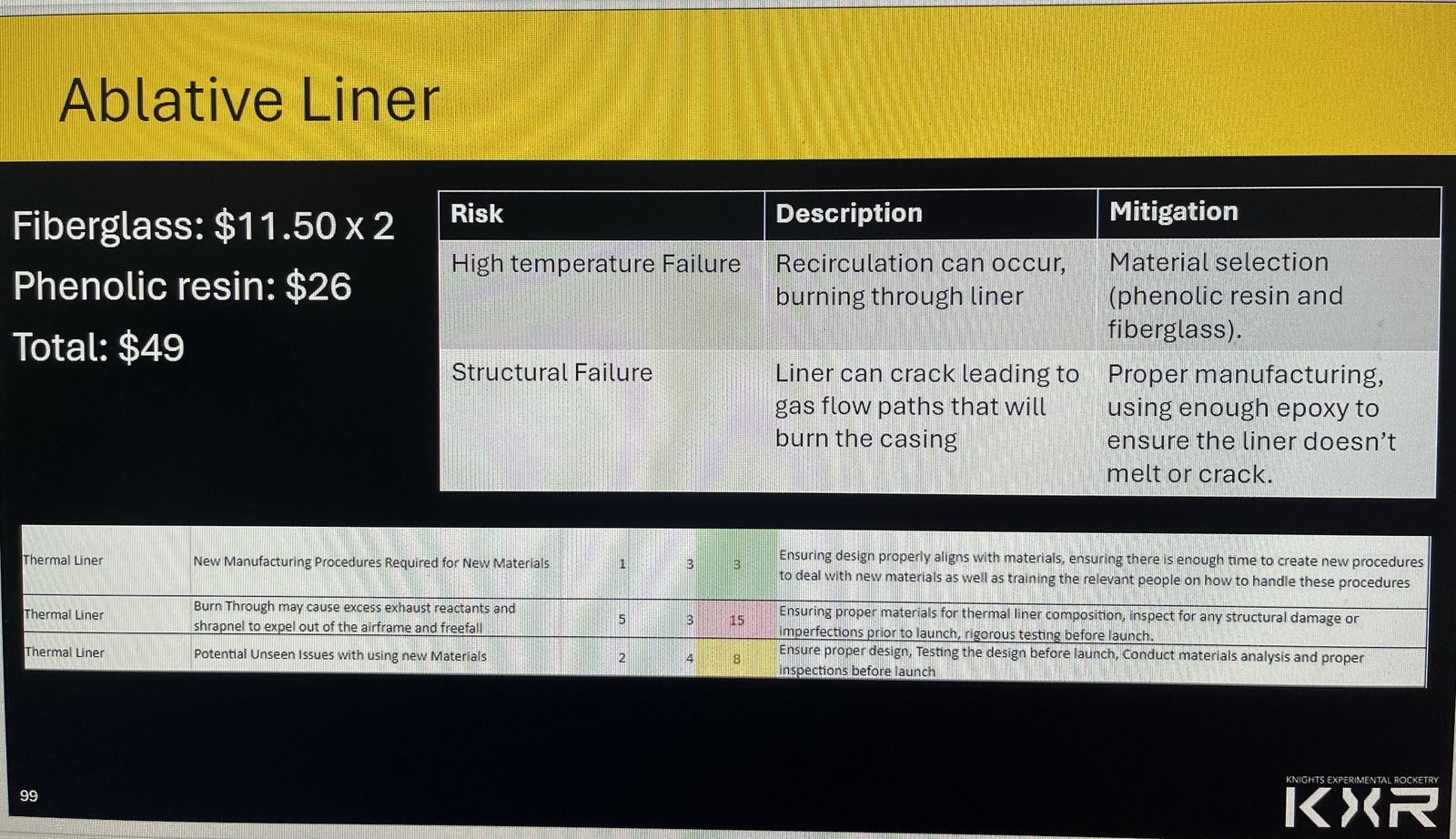
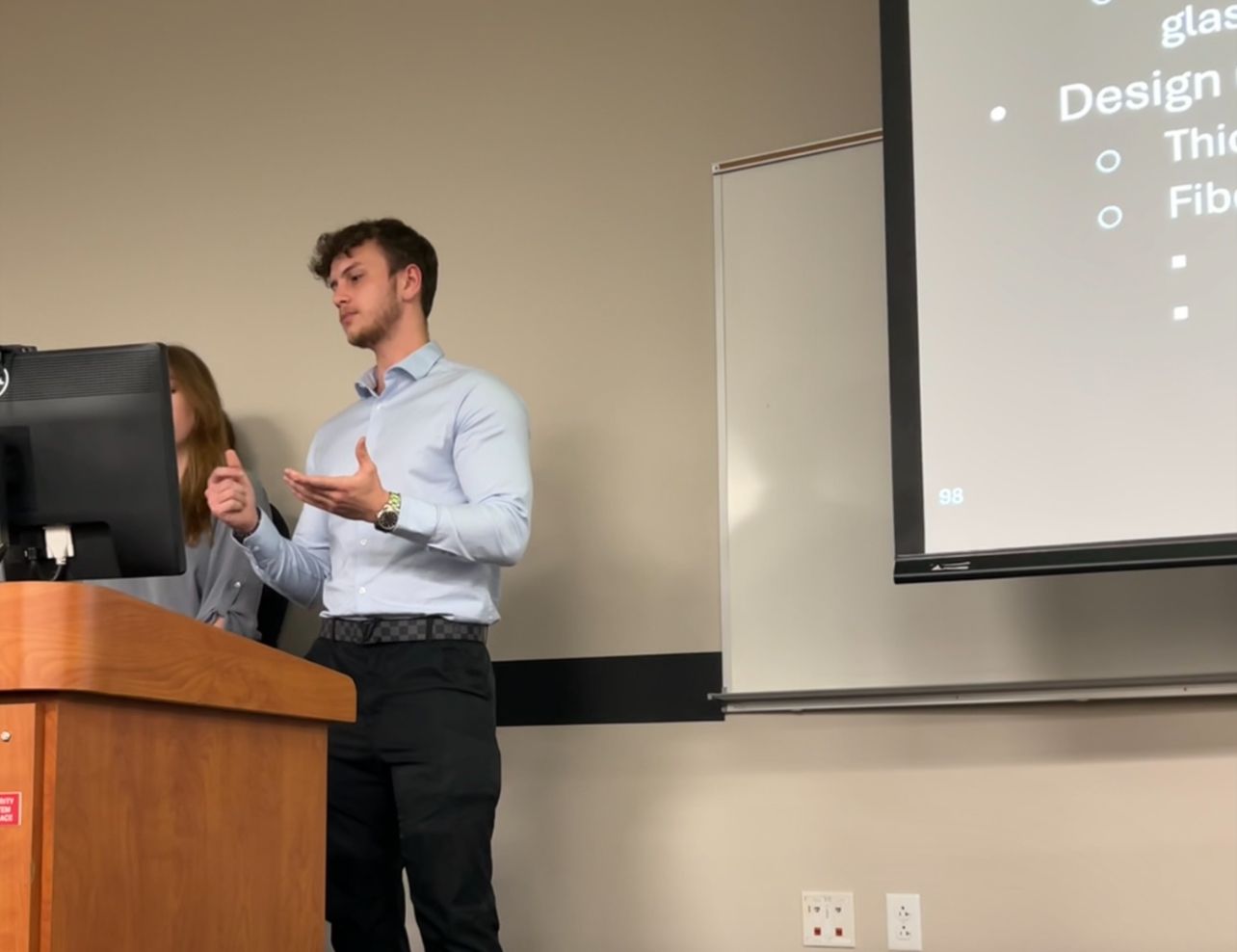
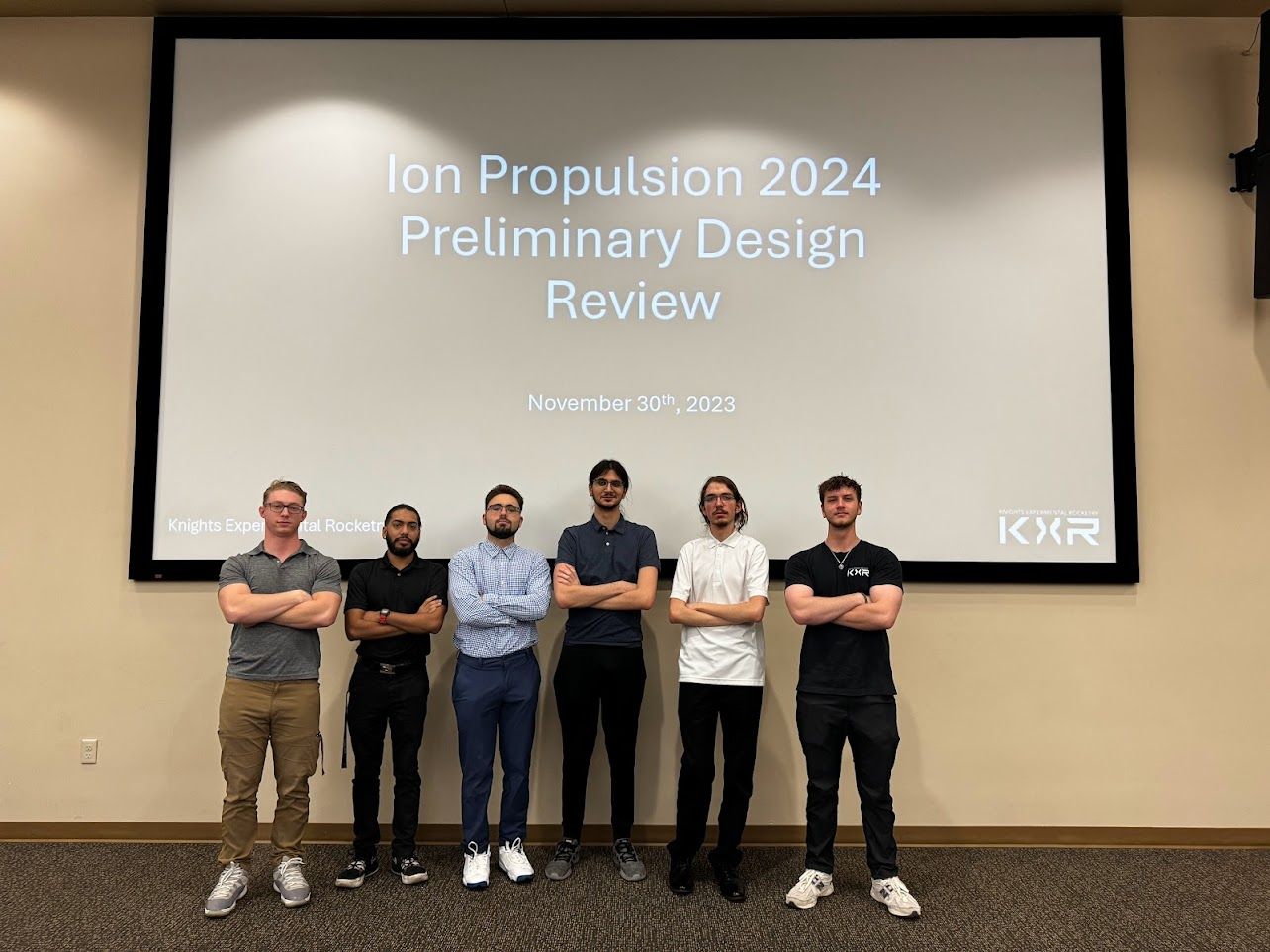
  6. Fall 2023ProjectJoined Knights Experimental RocketryIREC hybrid combustion first, then the Hall effect thruster propellant trade, and later the bi-propellant feed system.See it in depth →
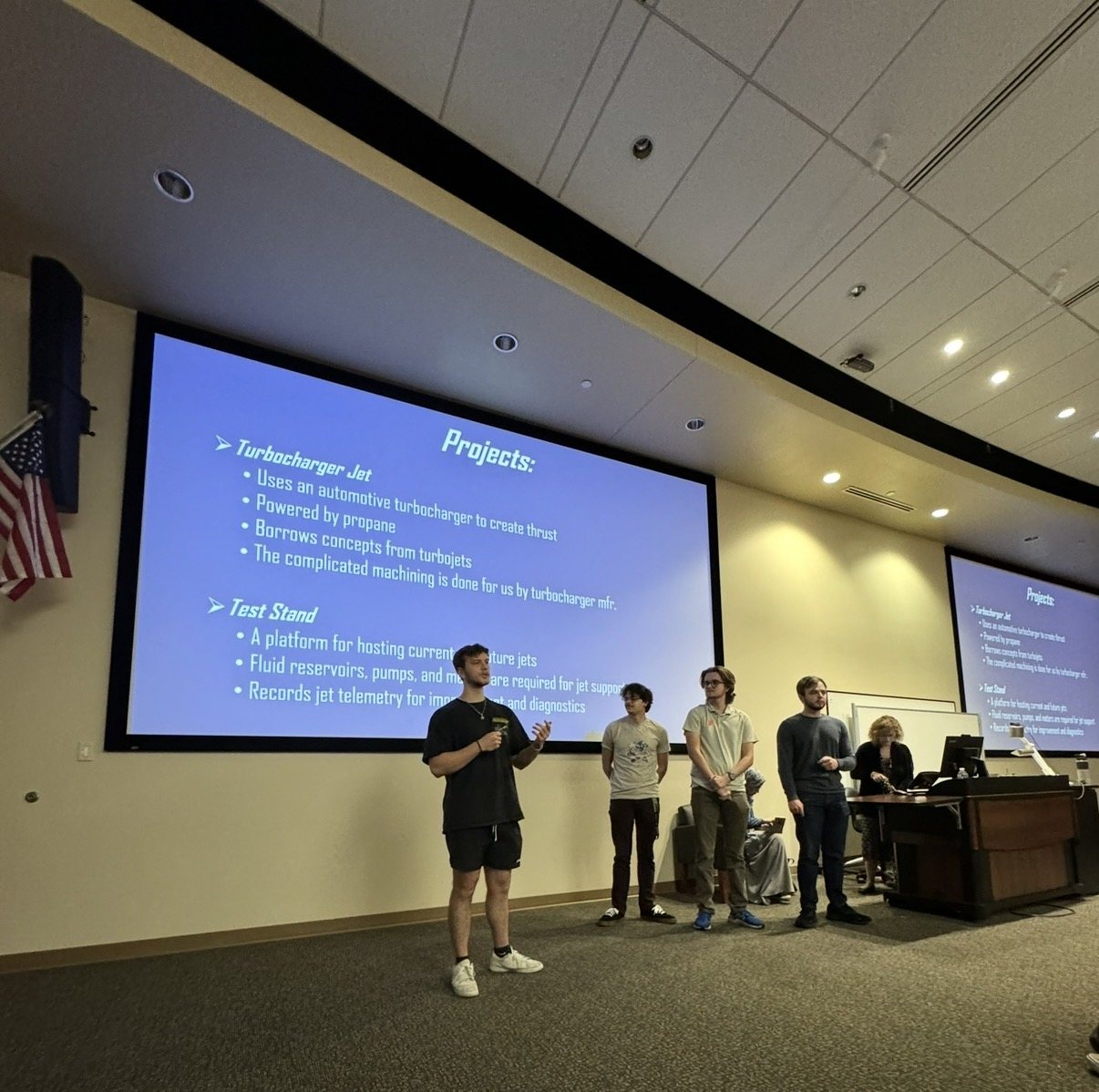
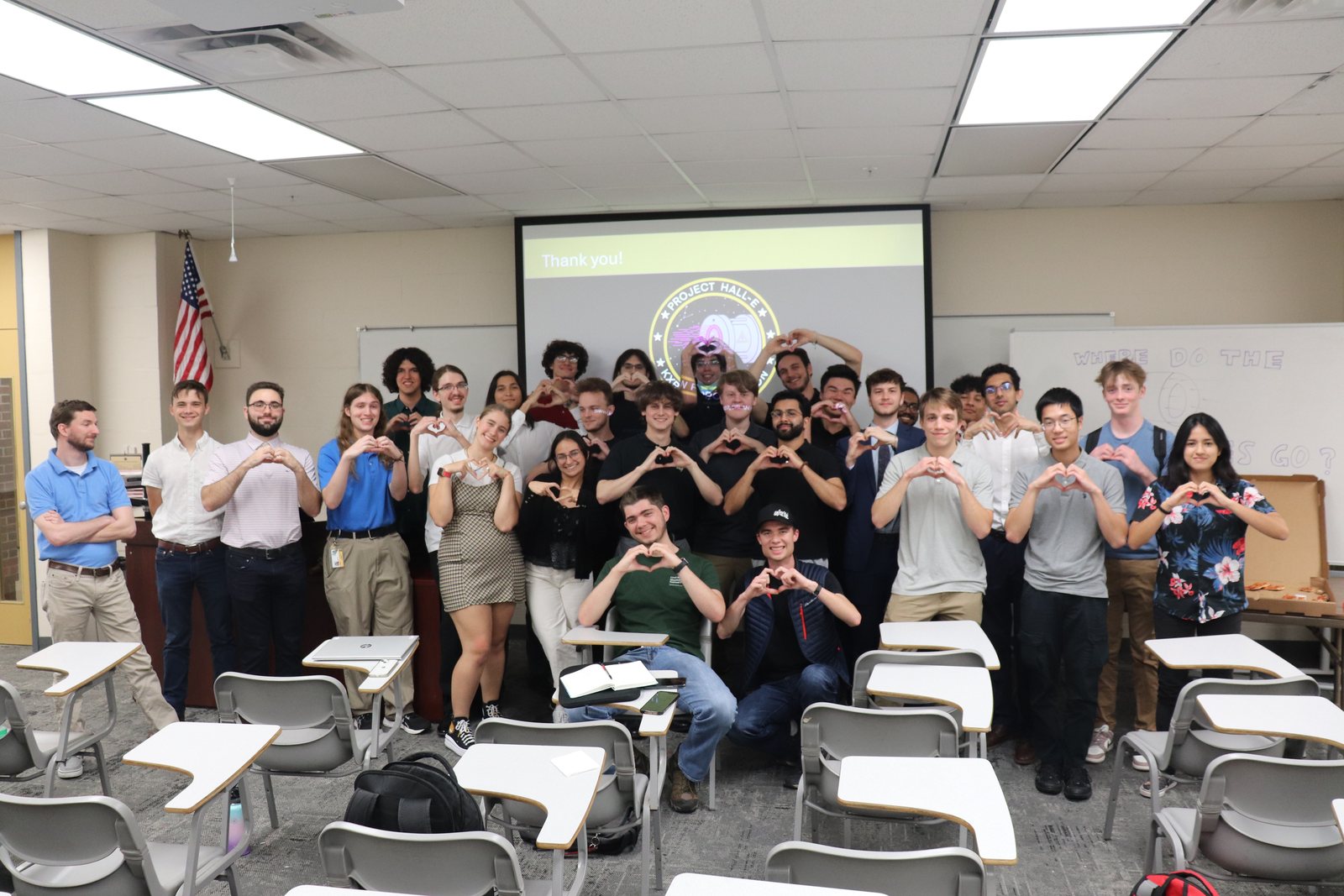
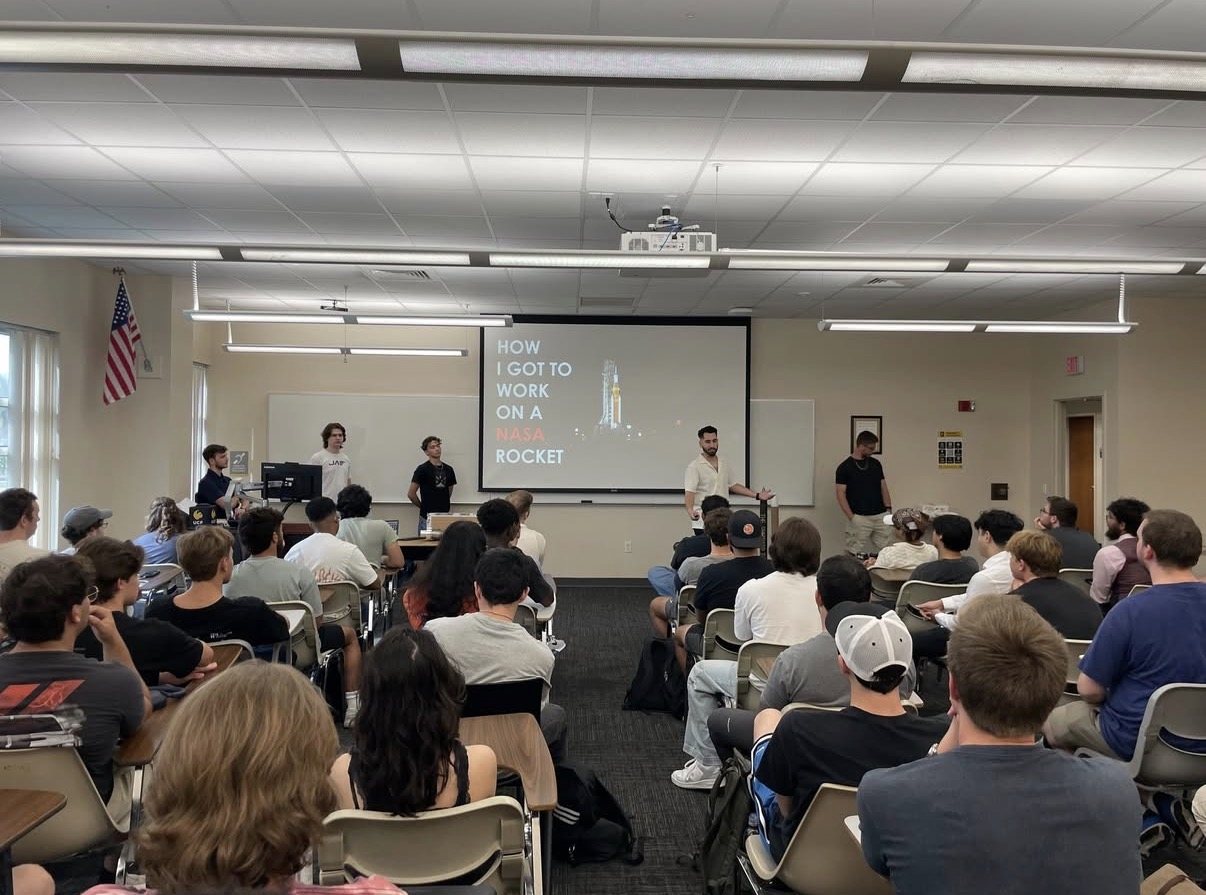
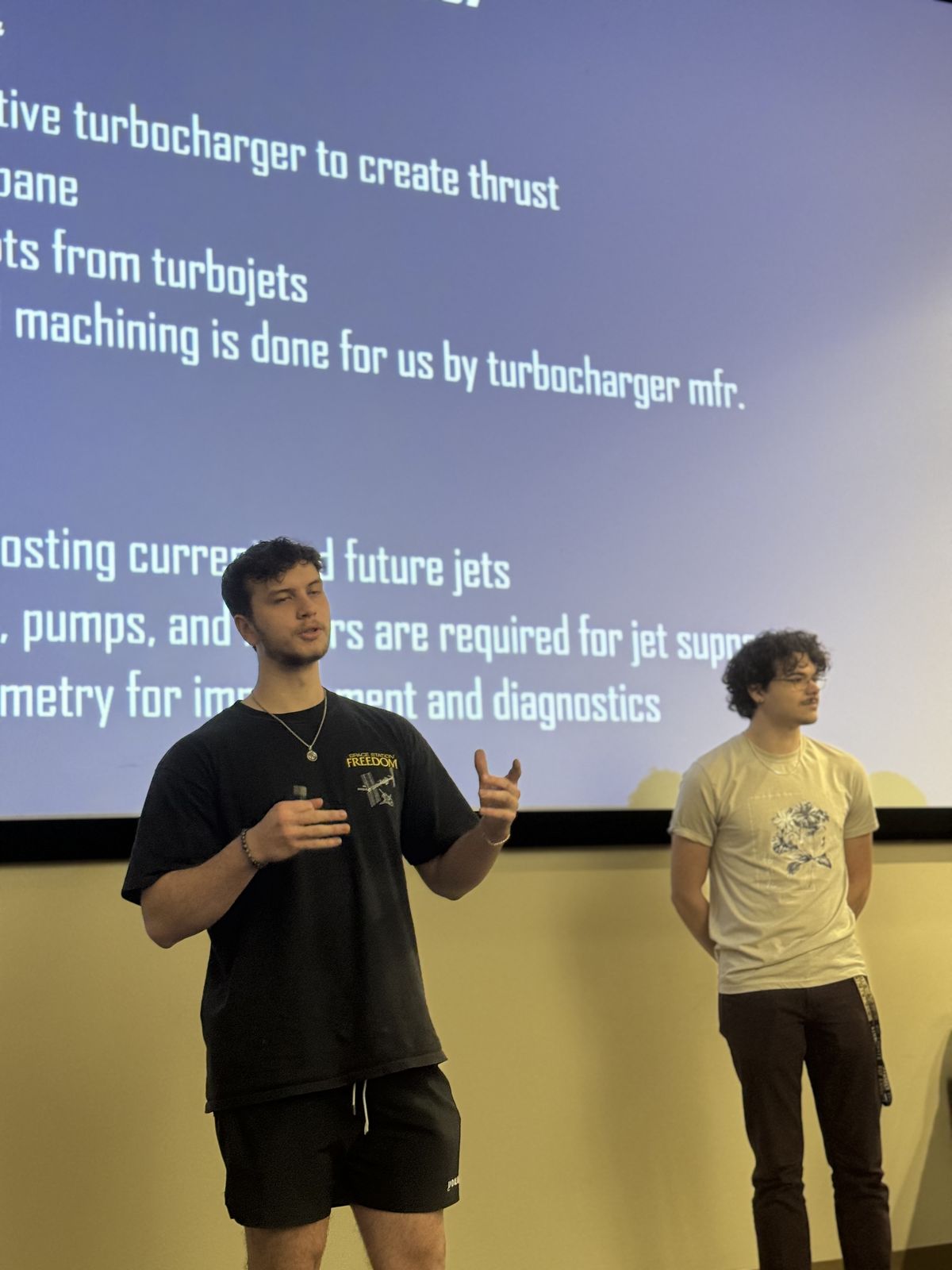
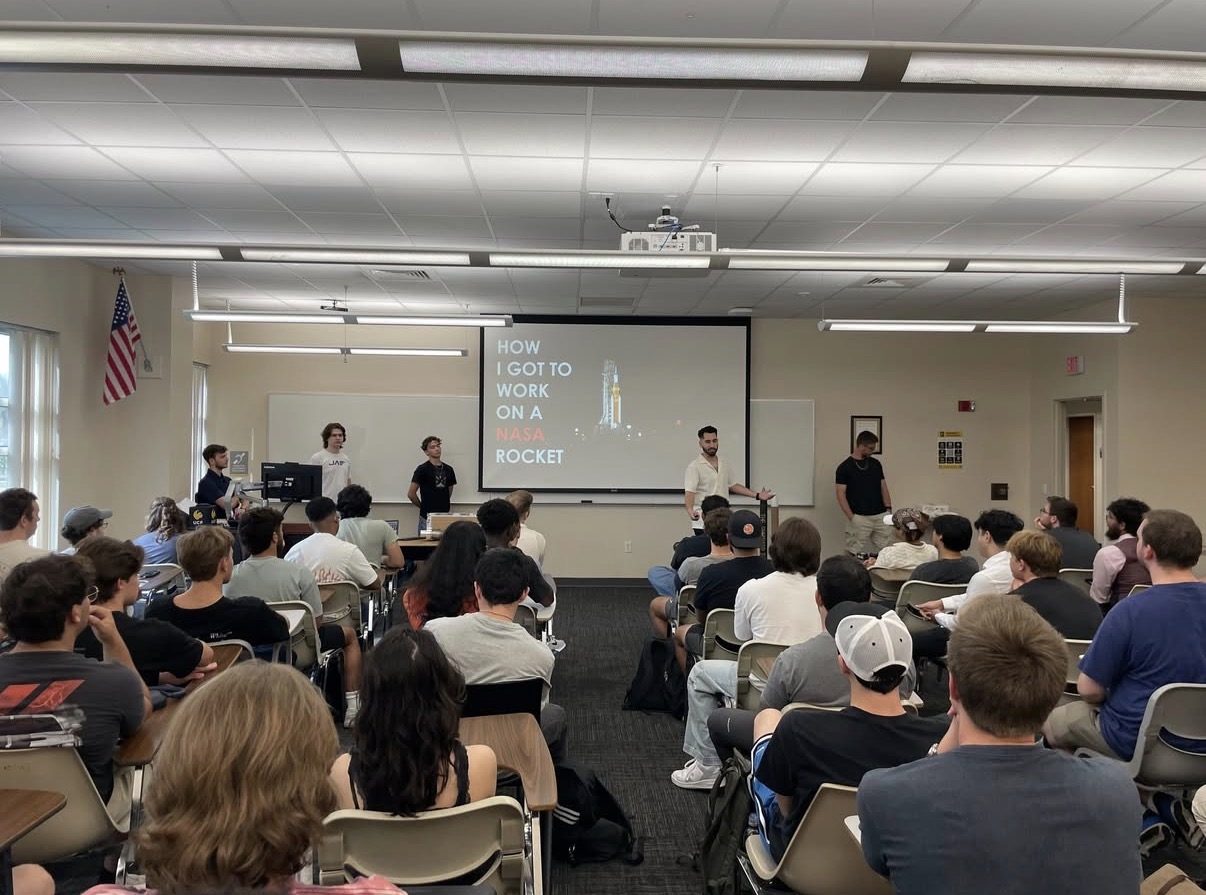
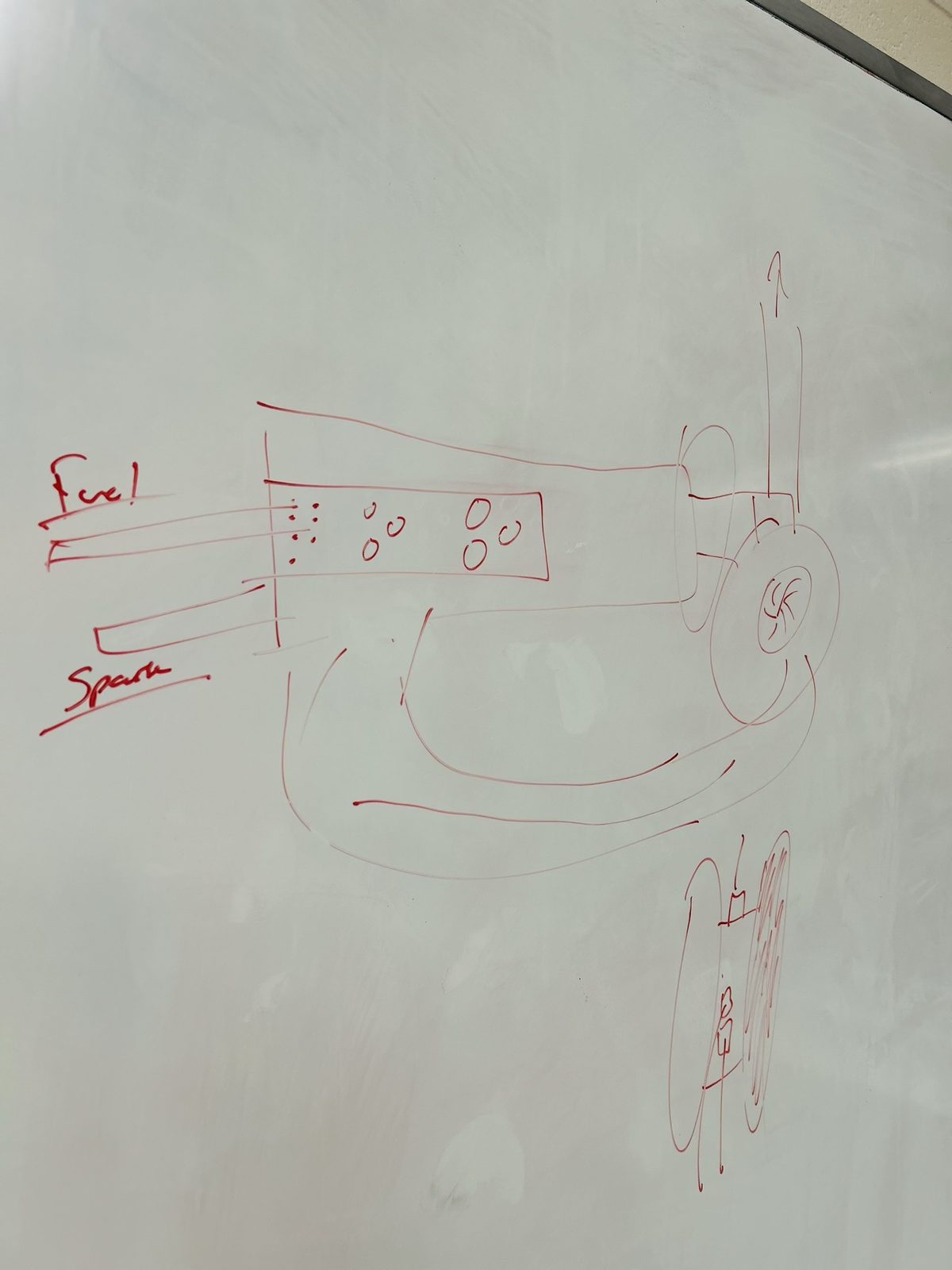
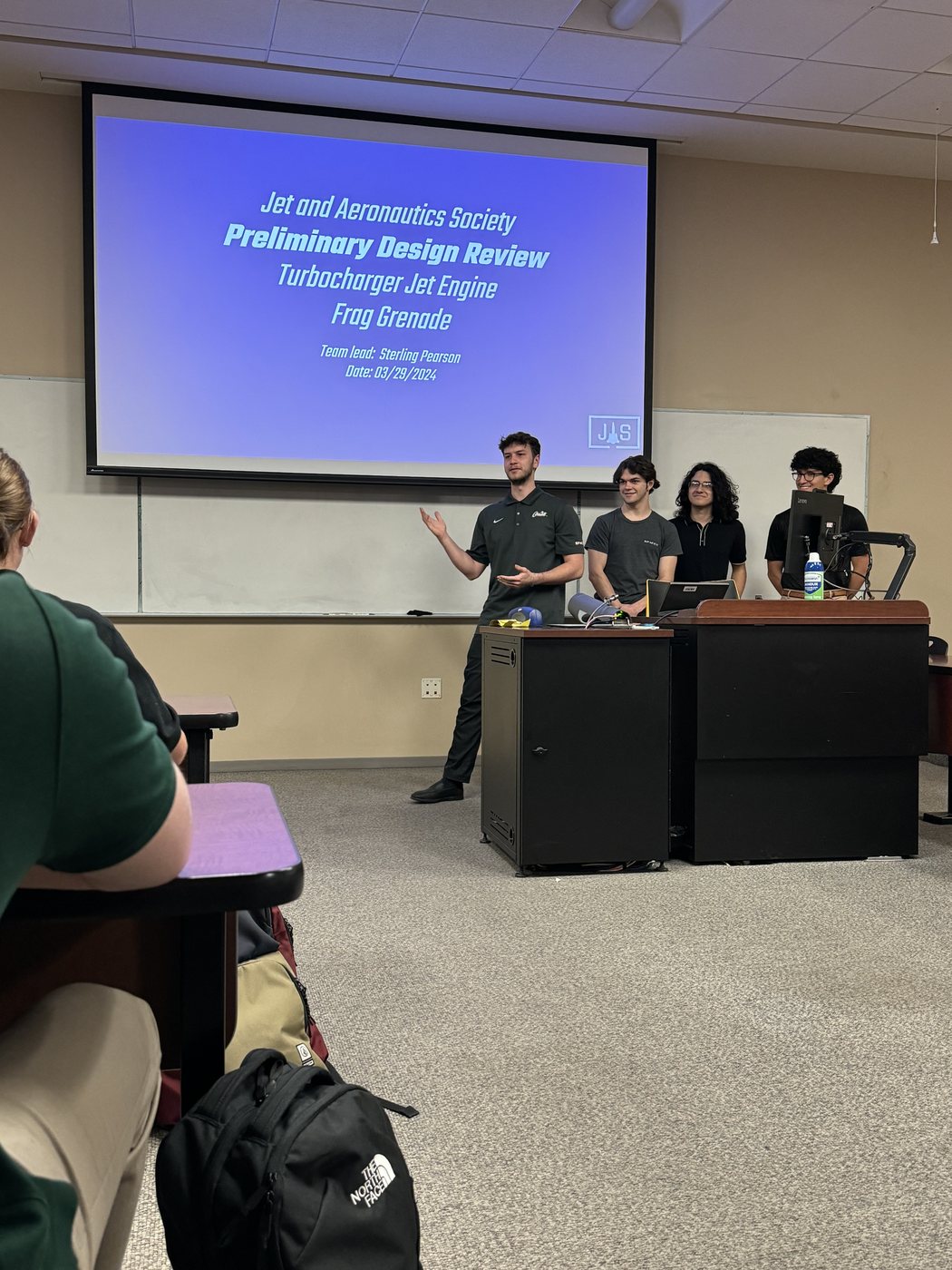
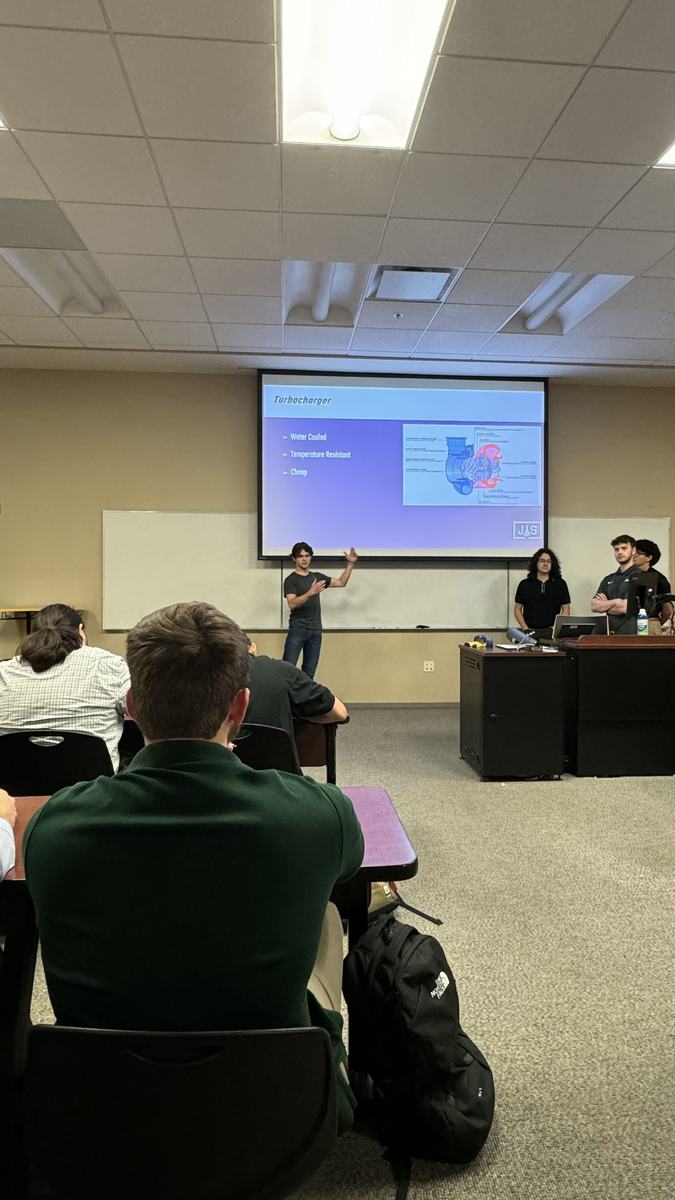
  7. Oct 2023LeadershipFounded JASFounded the Jet and Aeronautics Society at UCF, starting as Outreach and Marketing Officer and Turbocharger Jet Engine lead, then ran for president and won. It grew past 500 members.See it in depth →
  8. Feb 2024
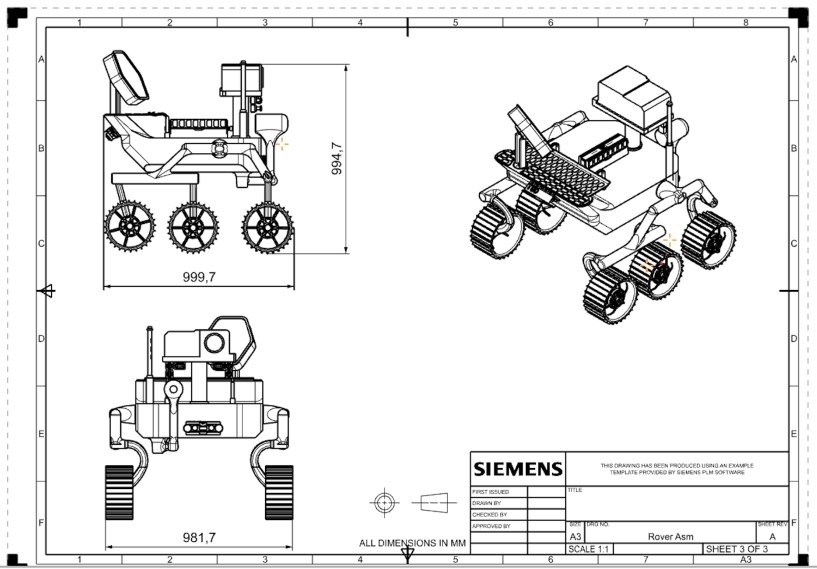
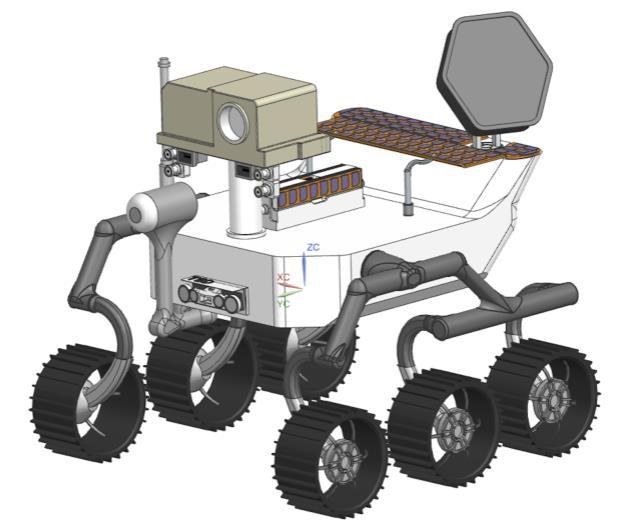
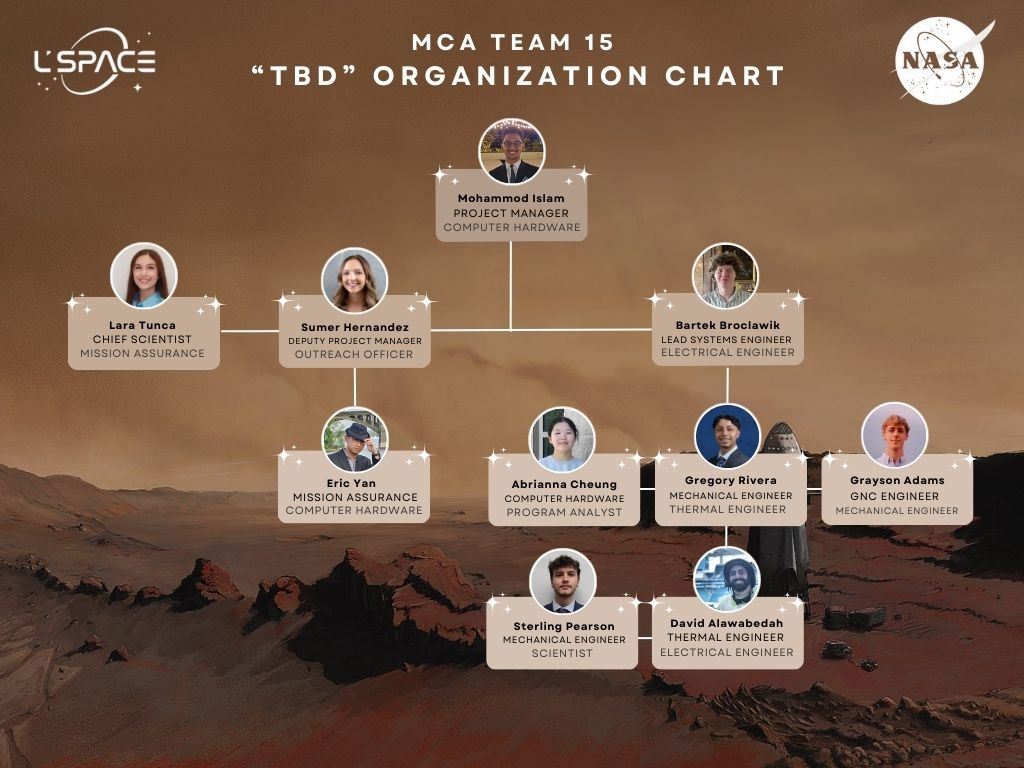
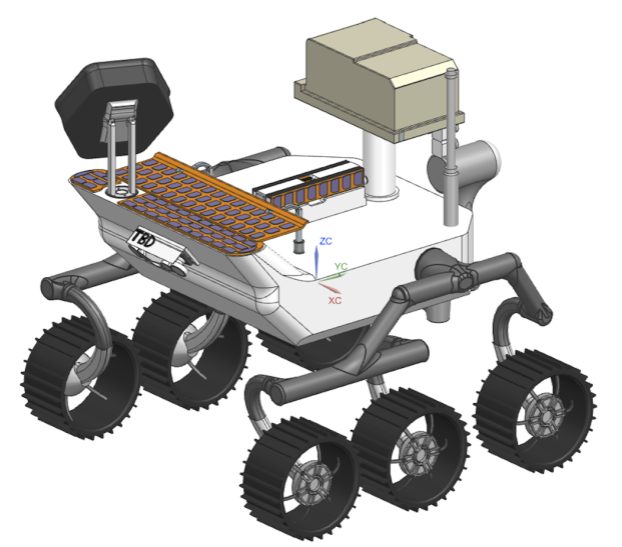
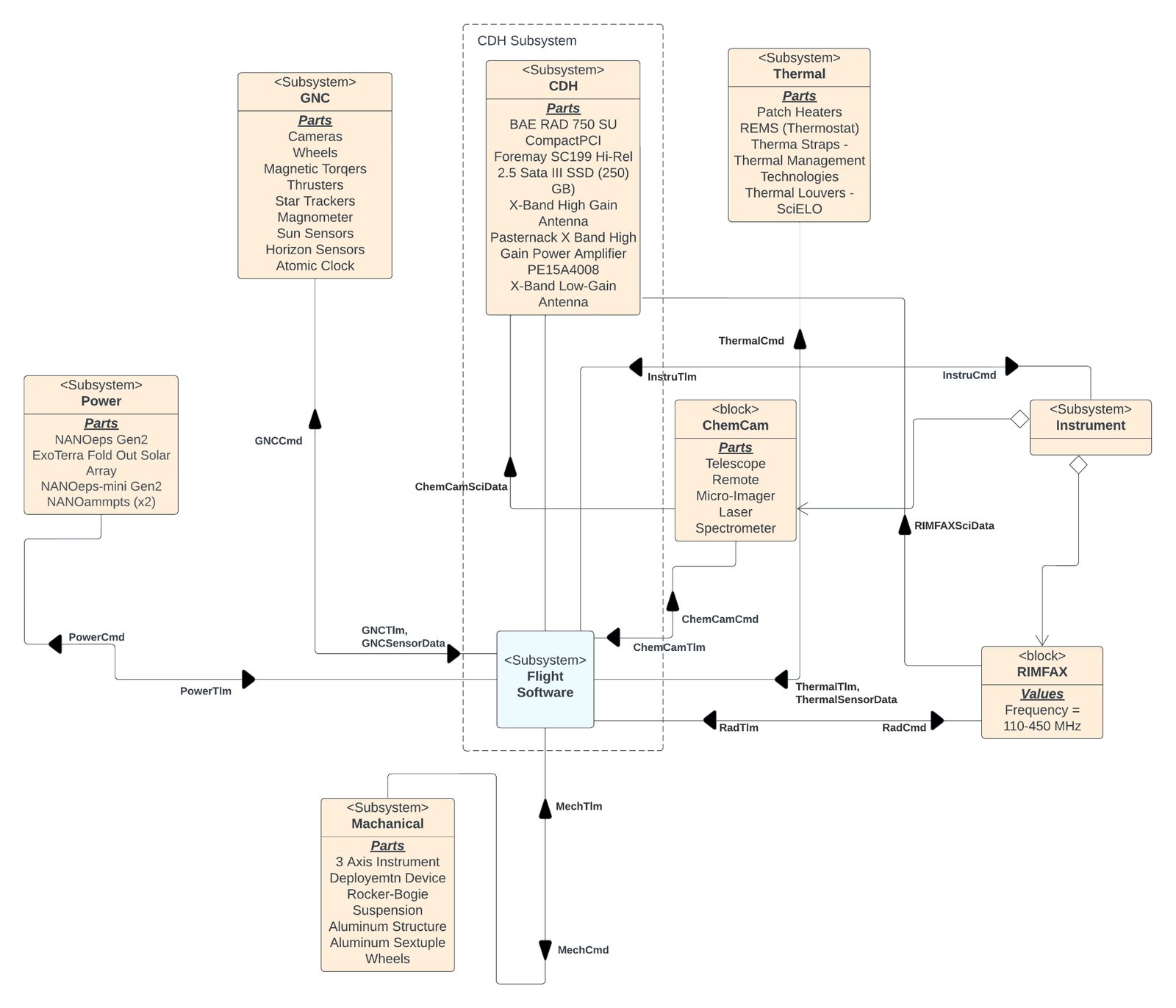
  9. Apr 2024ProjectNASA L'SPACE rover PDRPresented our Mars rover at PDR with the mechanical subsystem at 16 kg against a 45 kg budget.See it in depth →
  10. May 2024WorkSpace Resource TechnologiesWorked full shifts on the line and cut same-batch regolith simulant processing from 4 weeks to 6 hours.See it in depth →
  11. Aug 2024
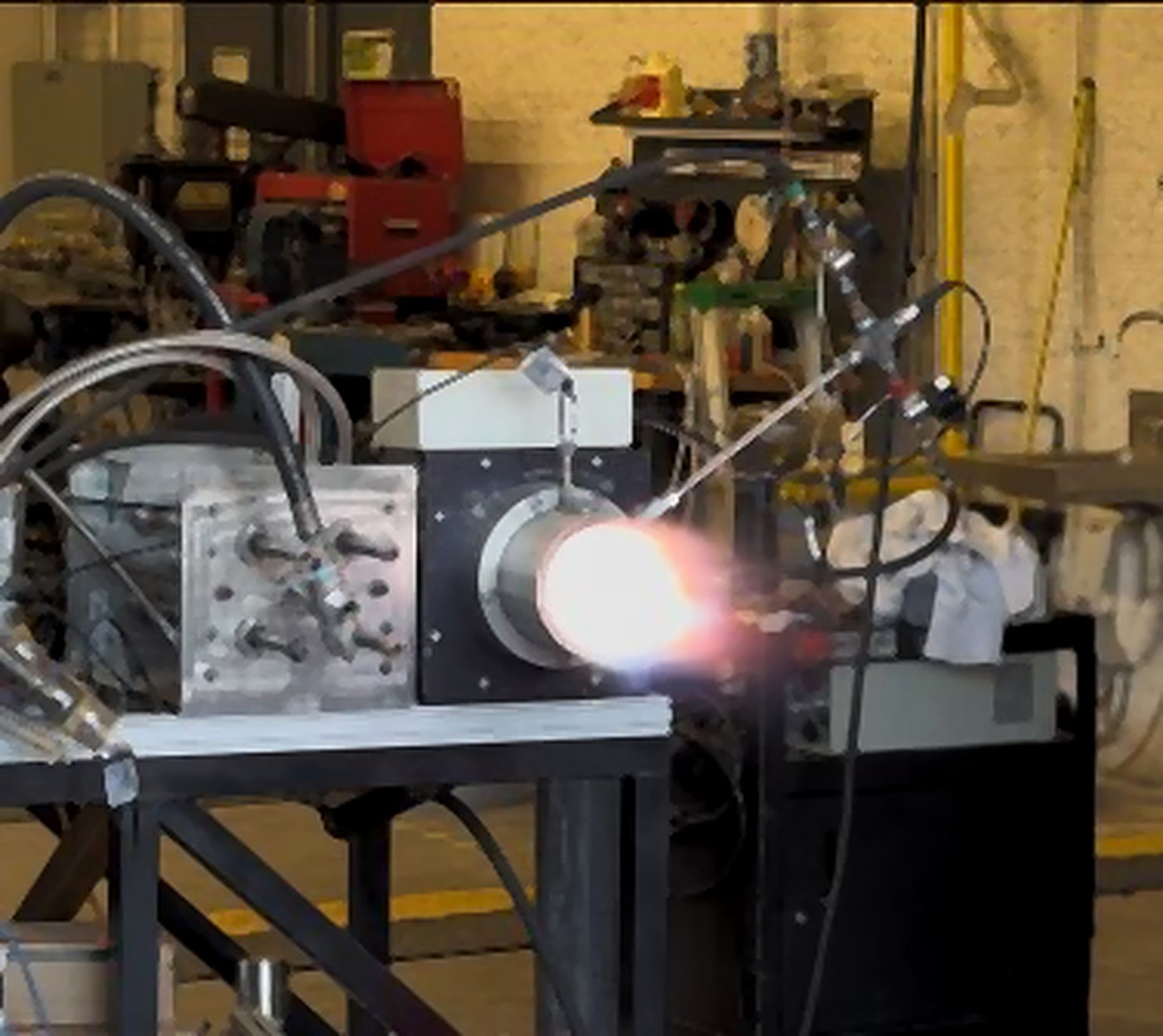
  12. Sep 2024ResearchUCF PERL · rotating detonationThe day I remember most was an RDE hot fire. Hours of plumbing, then run after run of deflagration, until it finally detonated and I watched the Mach diamonds form in real time.See it in depth →
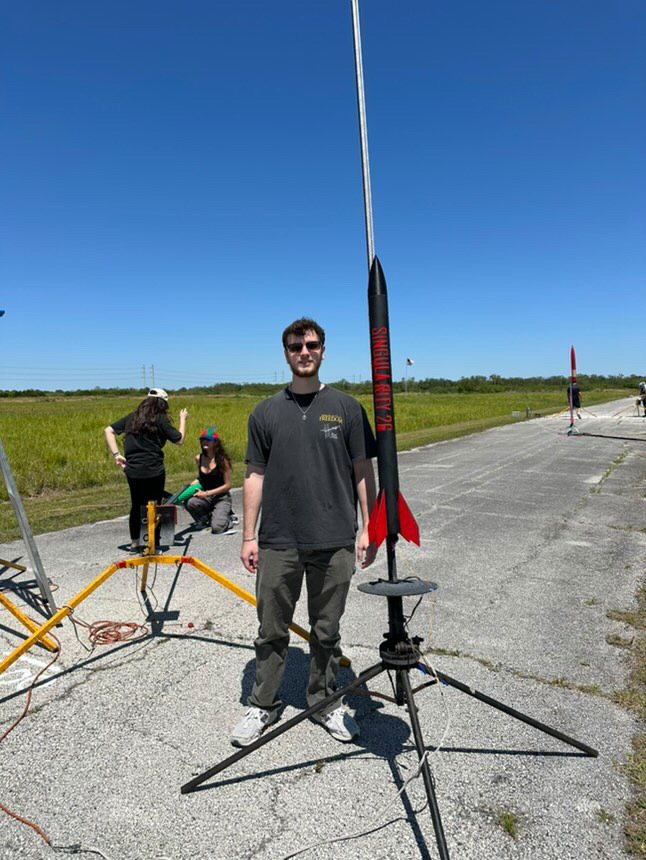
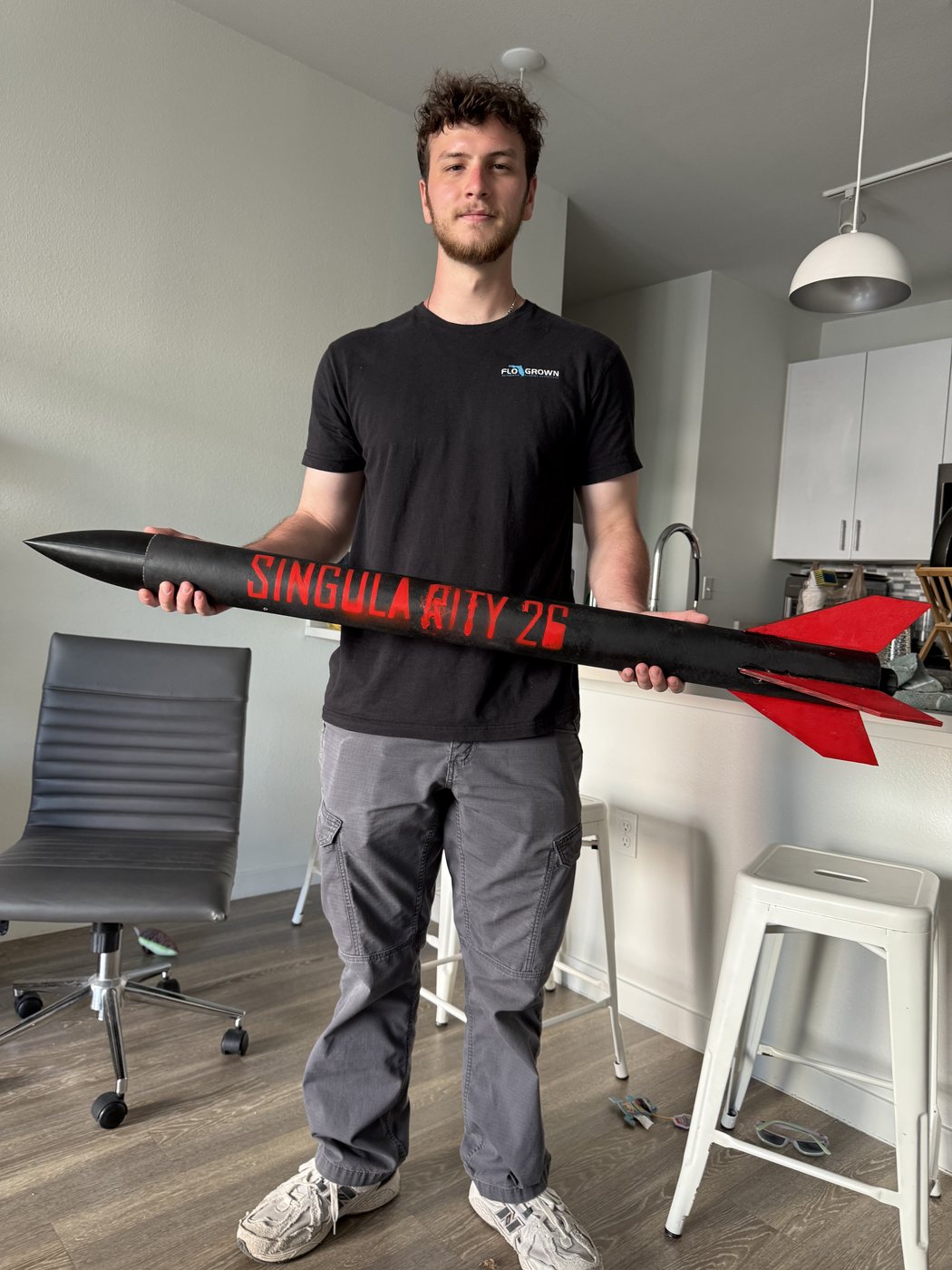
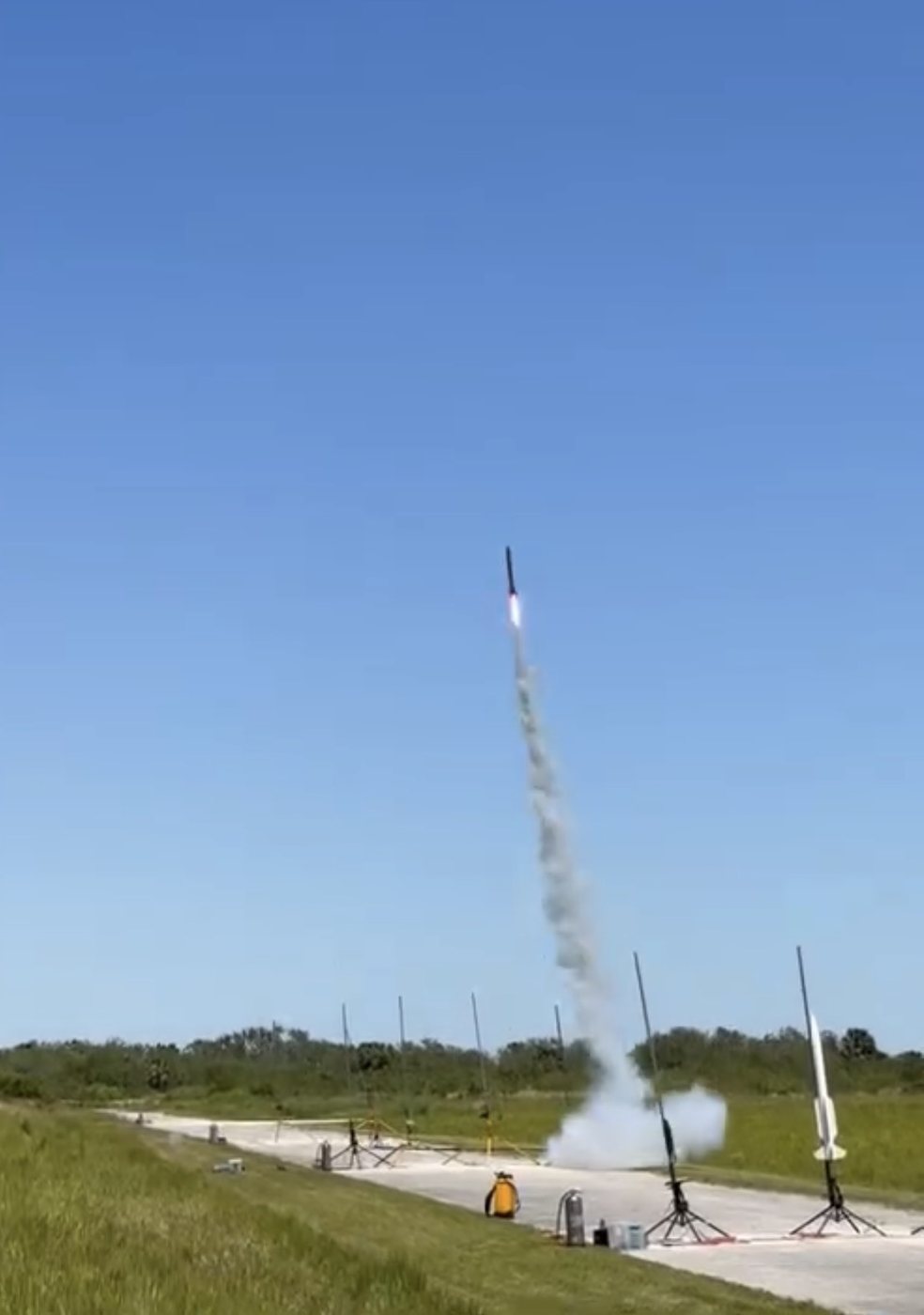
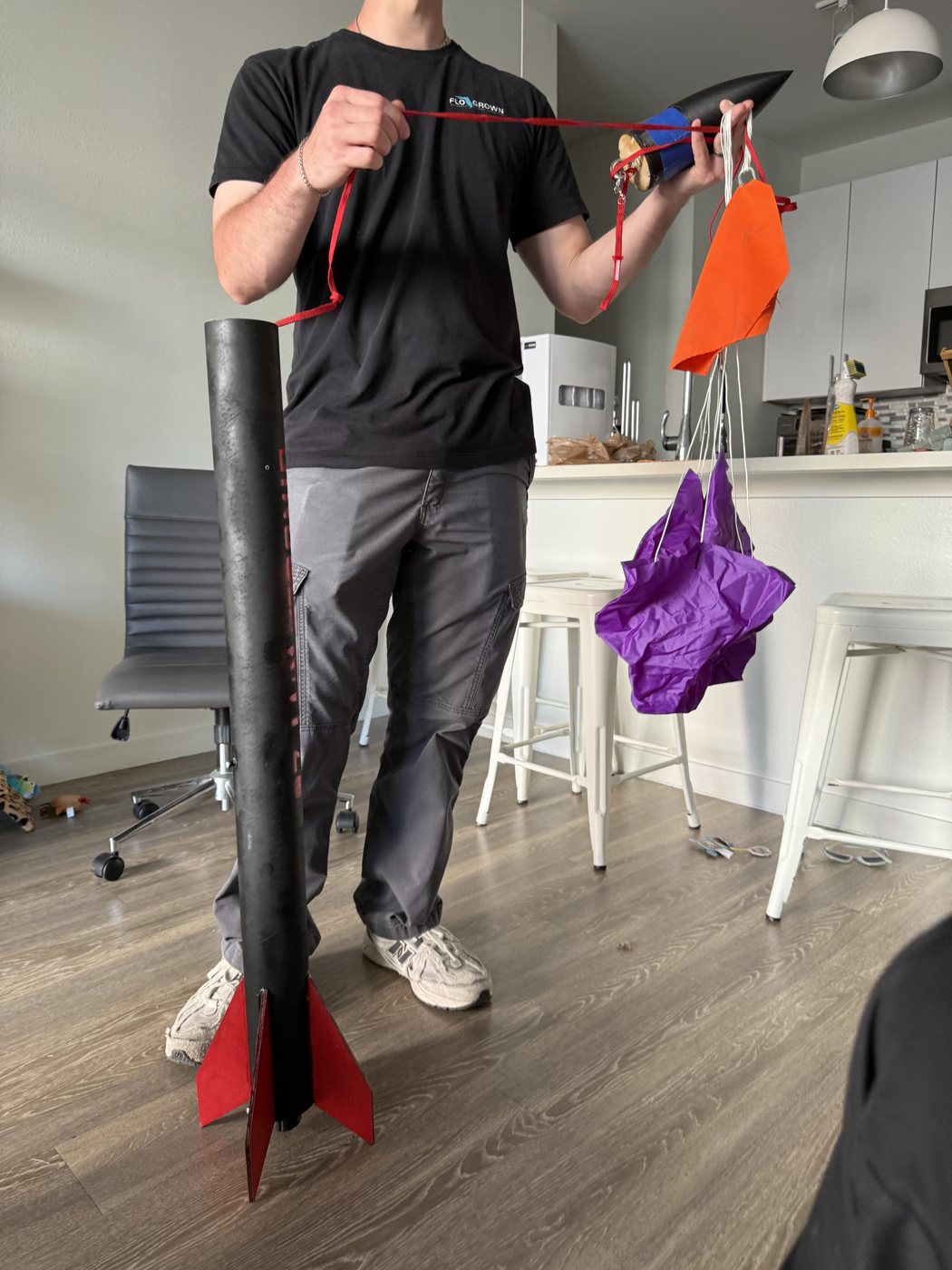
  13. Apr 2025ProjectSingularity 26 · NAR Level 1Designed, built, and flew my first high-power rocket, and earned my Level 1 certification with it.See it in depth →
  14. May 2025WorkFirehawk AerospacePropulsion design intern on fuel grain tooling, test stands, and recovery ground tests.See it in depth →
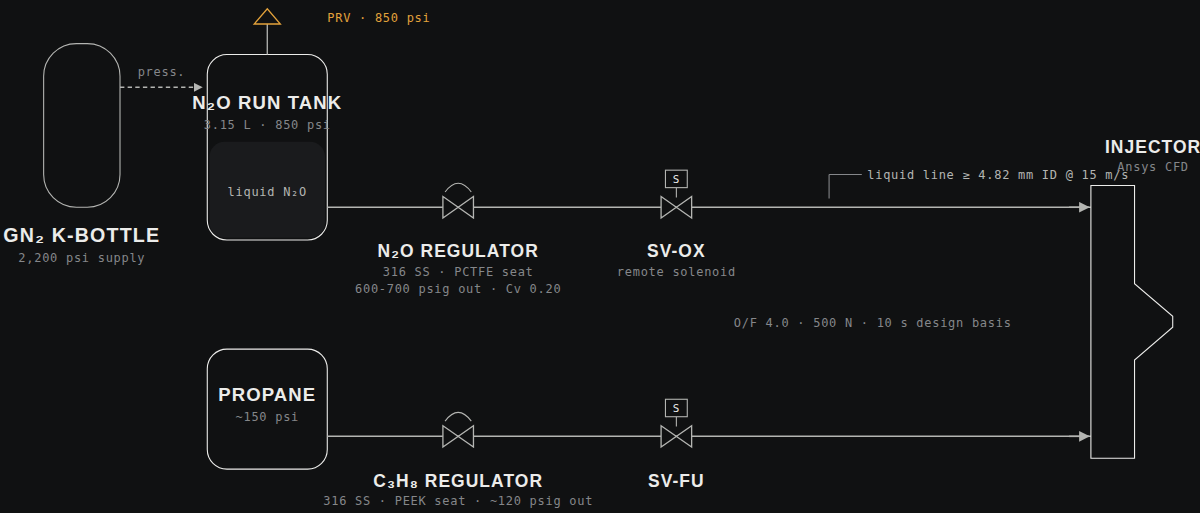
  15. Sep 2025ProjectKXR bi-propellant feed systemDesigned and sized the P&ID for an N₂O / propane feed system, safety first, down to the regulator seats.See it in depth →
  16. Dec 2025
  17. Jan 2026WorkSpaceX · StarshipEight months on Starship Thermal Hardware Engineering at Cape Canaveral, with 12 projects owned or led.See it in depth →
  18. Since Aug 2026In progressPlanning · Stage 0 and 1L1 active-fin GNCA stage-gated path from an instrument-only flight to bounded roll damping, with recovery kept independent of the experiment.See it in depth →
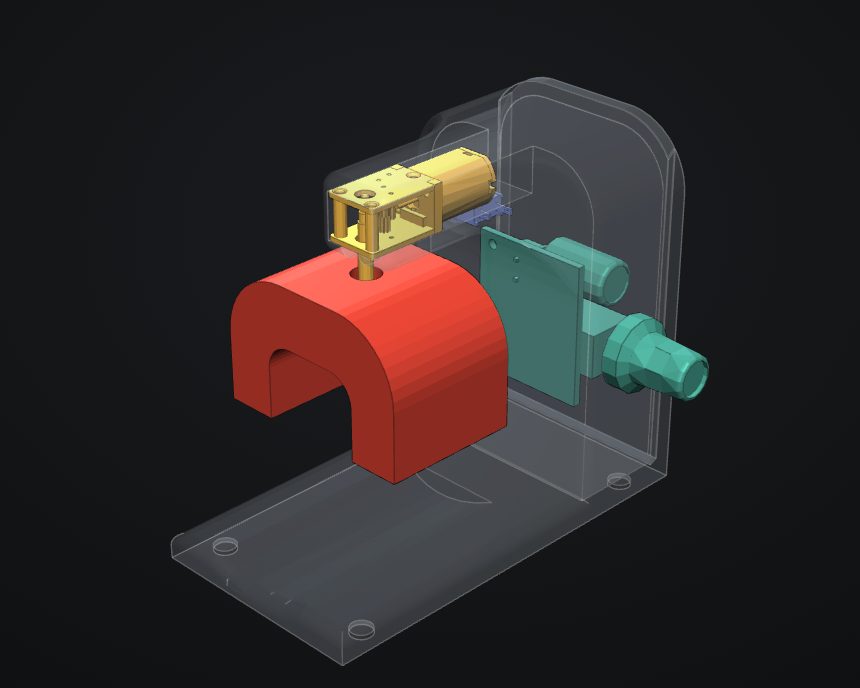
  19. Since Sep 2026In progressRedesign · PDR draftCentrifugal magnet spinnerA desktop electromechanical build with a worm gearmotor, PWM speed control, and a guarded magnet rotor.See it in depth →
Off the clock · On my shelf

Favorites

My favorite reads, with my ratings. Pull one off the shelf.

Remembrance of Earth's PastLiu Cixin
Liu Cixin · 2008 to 2010★★★★★Finished Oct 20263 books1,568 pagesMy favorite series

Remembrance of Earth's Past Trilogy

A secret from China's Cultural Revolution starts a first contact that grows across three books into centuries of strategy between civilizations.

  1. IThe Three-Body Problem
  2. IIThe Dark Forest
  3. IIIDeath's End
04 / CAPABILITY

Tools and methods

What I reach for at each step, with the core tools highlighted and links to where this portfolio shows them.

NXSiemens NXCertified
L1NARLevel 1
LSSLean Six SigmaWhite Belt
01 · Design

CAD and drawings

Production-ready models and drawings, released to the floor.

Siemens NXTeamcenterCreo Parametric 9SolidWorksOpenRocketGD&T · ASME Y14.5Tolerance stack-upsModel-based definitionDrawing releaseDFM / DFA
02 · Analyze

Analysis and sizing

Sizing, trades, and hazard math before any hardware gets bought.

Ansys FEAAnsys CFDMATLABPythonWeighted trade studiesP&IDsLine, tank, and relief sizingFirst-principles tradesNominal hazard zone · ANSI Z136.1
03 · Test

Test and data

Instrumented tests, and root cause when something fails.

DAQ and instrumentationLabVIEWArduinoCEpsilon3GrafanaDOE5-WhyFMEAFault treesNDE · CT / X-rayBlue-light scanning · ATOSProof and leak testingCryogenic testing
04 · Build

Hands-on and manufacturing

Building it myself, next to the people who run it.

Swagelok high-pressure plumbingRegulators, solenoids, relief valvesTorque toolingSoldering and harnessesCNC and manual machiningAdditive / FDMLaser cuttingFixtures and toolingSOPsLean Six Sigma3P

Let's talk

Emailsterling.pearson@icloud.com
LinkedInlinkedin.com/in/sterlingpearson
GitHubgithub.com/strelenn
Phone813-545-2305
BasedOrlando, FL · Space Coast
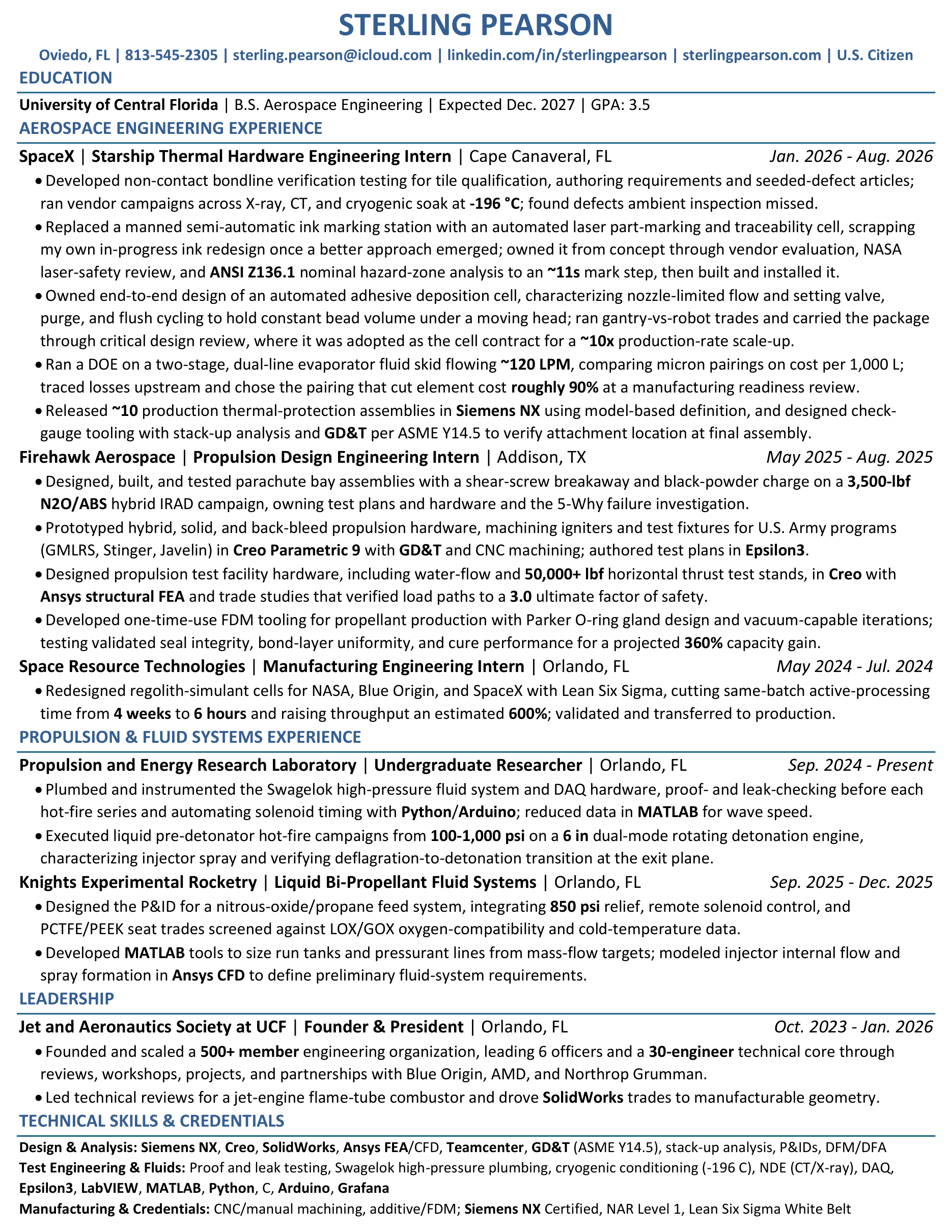
DocumentsResume · Portfolio PDF